Coming in 2028

A High-Impact Museum Project

Heritage Tourism & Economic Development

With interest in the Underground Railroad experiencing an unprecedented boom, the Susquehanna Valley has an opportunity to rewrite the book on heritage tourism. Long known for its historical sites and recreational resources, the region has become the focus of groundbreaking research and storytelling about the efforts of freedom seekers—and those who aided them—to escape from human bondage. The Underground Railroad Museum of Pennsylvania, located on the Susquehanna River in the Lancaster County town of Columbia, is one of three major tourism destinations being developed within a 20-mile radius, about an hour’s drive from Gettysburg. The potential economic impact of Underground Railroad tourism is difficult to overstate, generating $100 million or more annually and creating thousands of jobs in the process.

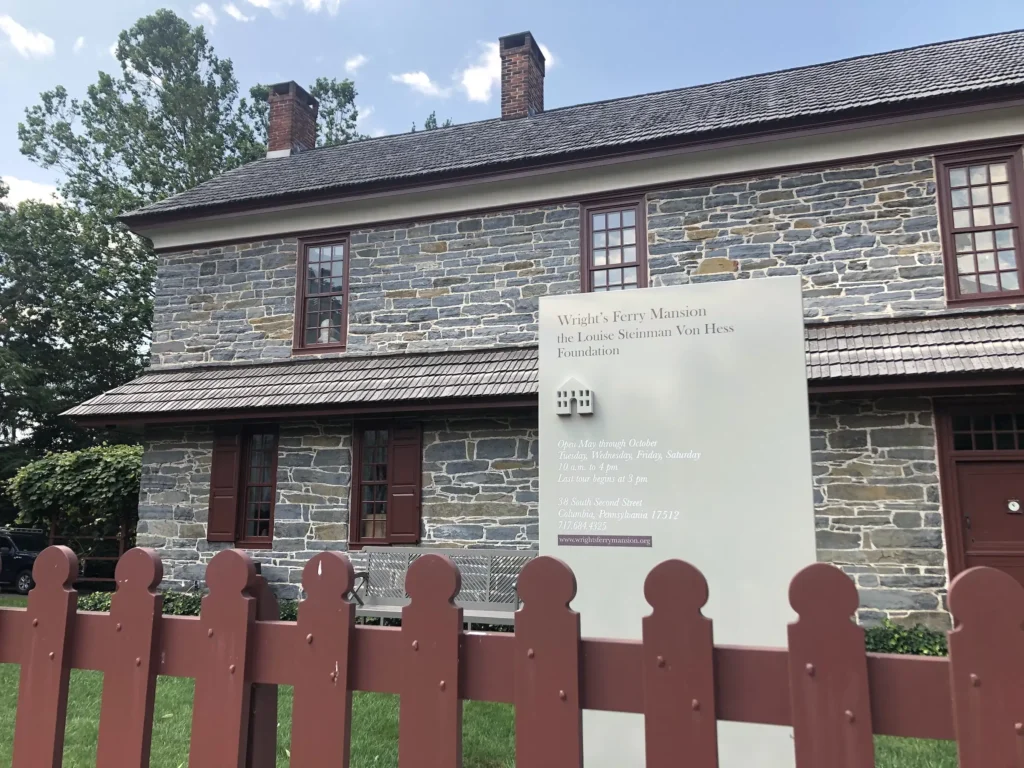
The Wright’s Ferry Museum in Columbia celebrates the family that, quite literally, put Lancaster County on the map.
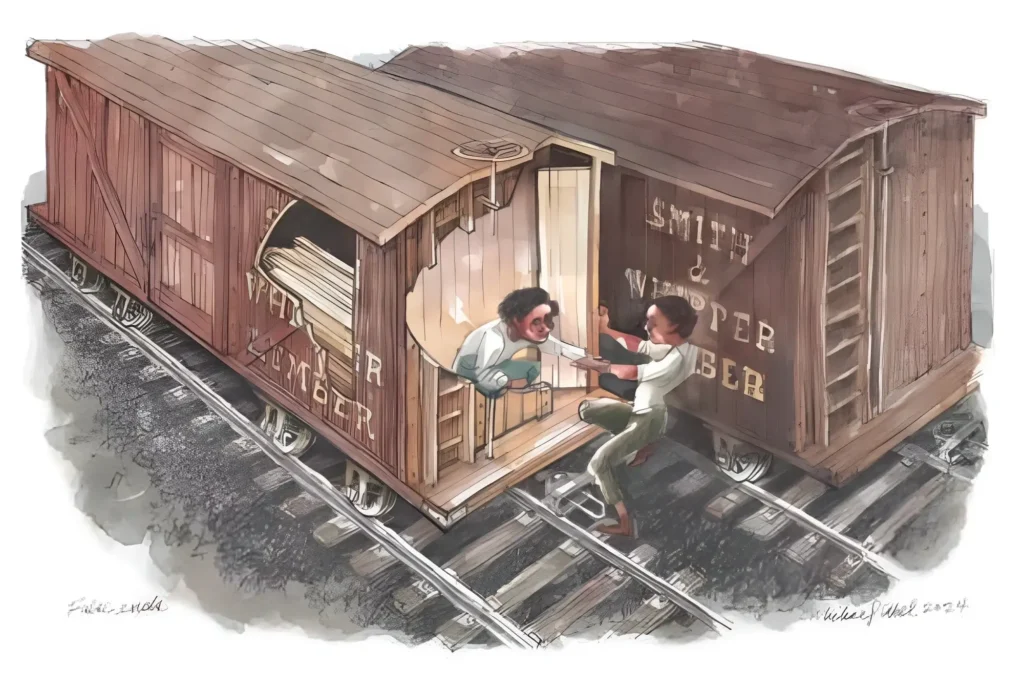
Young visitors will learn about how the “above-ground” railroad became a part of the Underground Railroad.

Educational Opportunities

With interest in the Underground Railroad experiencing an unprecedented boom, the Susquehanna Valley has an opportunity to rewrite the book on heritage tourism. Long known for its historical sites and recreational resources, the region has become the focus of groundbreaking research and storytelling about the efforts of freedom seekers—and those who aided them—to escape from human bondage. The Underground Railroad Museum of Pennsylvania, located on the Susquehanna River in the Lancaster County town of Columbia, is one of three major tourism destinations being developed within a 20-mile radius, about an hour’s drive from Gettysburg. The potential economic impact of Underground Railroad tourism is difficult to overstate, generating $100 million or more annually and creating thousands of jobs in the process.

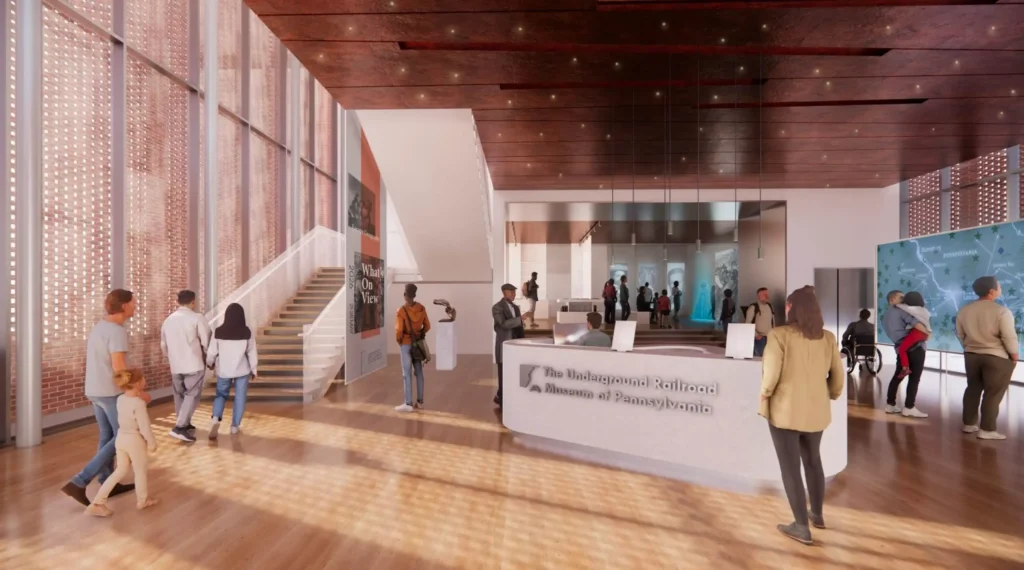
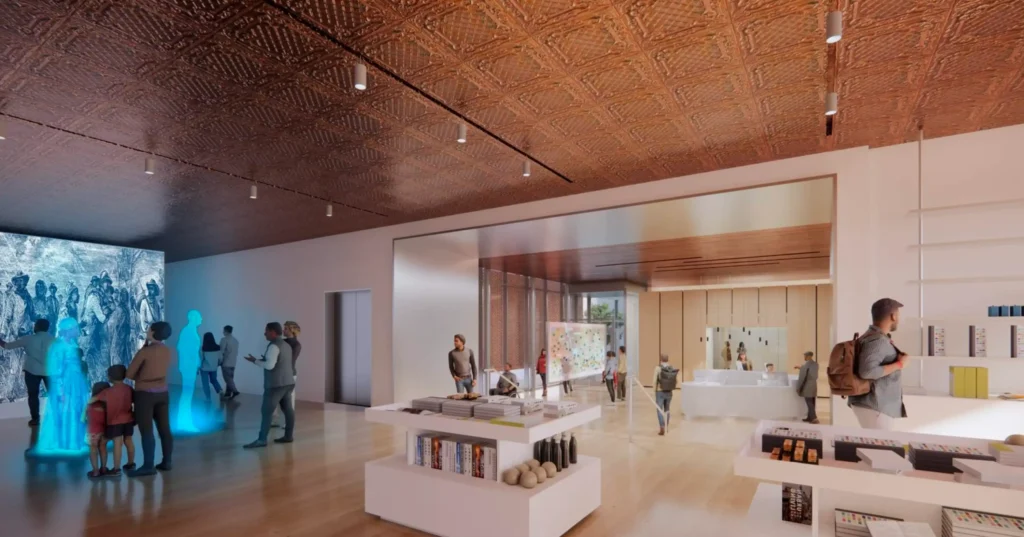
The architectural firm of Perkins & Will has designed a welcoming entry hall that doubles as a breathtaking portal to discovery.

That First Breath of Freedom

Why Pennsylvania?

No other state in the North shared a longer border with the slaveholding South than Pennsylvania. Its position on the free side of the Mason-Dixon Line made it a powerful destination—both geographically and symbolically—for those hoping to escape human bondage. A network of Abolitionists working on both sides of the border created the pathway to freedom that would come to be known as the Underground Railroad.

Why Columbia?

For more than 50 years, the people of Columbia engaged in an elaborate system to aid freedom seekers. African American business leaders Stephen Smith and William Whipper, with the aid of wealthy Quakers, established a pipeline that led from the Susquehanna River to Philadelphia, Harrisburg, Western Pennsylvania, and points north. A quarter-million or more people in North America today** can trace their roots back to ancestors who drew their first breath of freedom on the Columbia side of the Susquehanna.

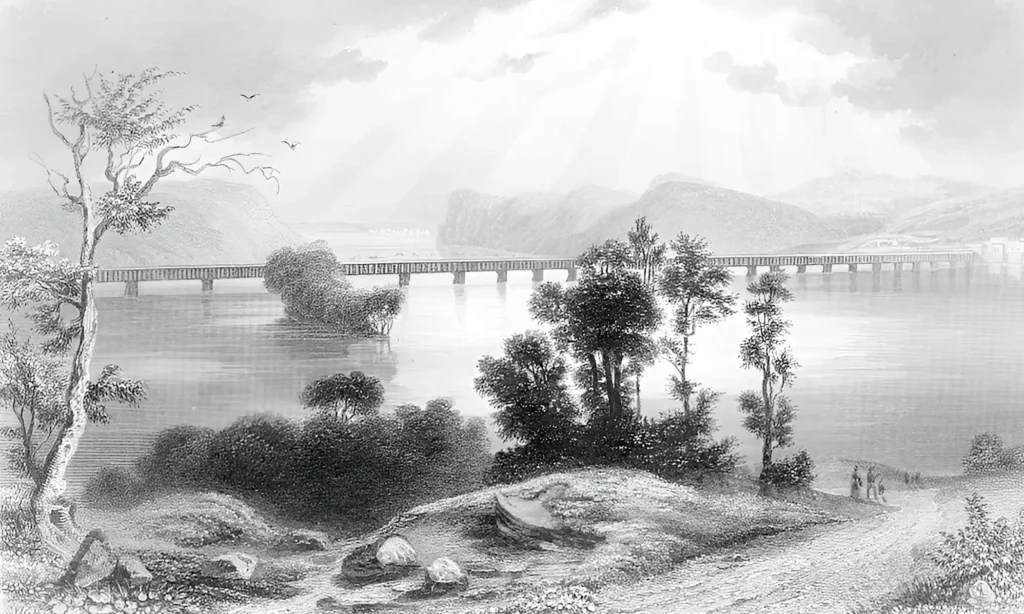
The magnificent covered bridge that spanned the Susquehanna River was a key component of Underground Railroad activity in Columbia. People on both sides of the river were part of the Conspiracy of Good. In 1863, the bridge was set ablaze to prevent Confederate troops from entering Columbia.

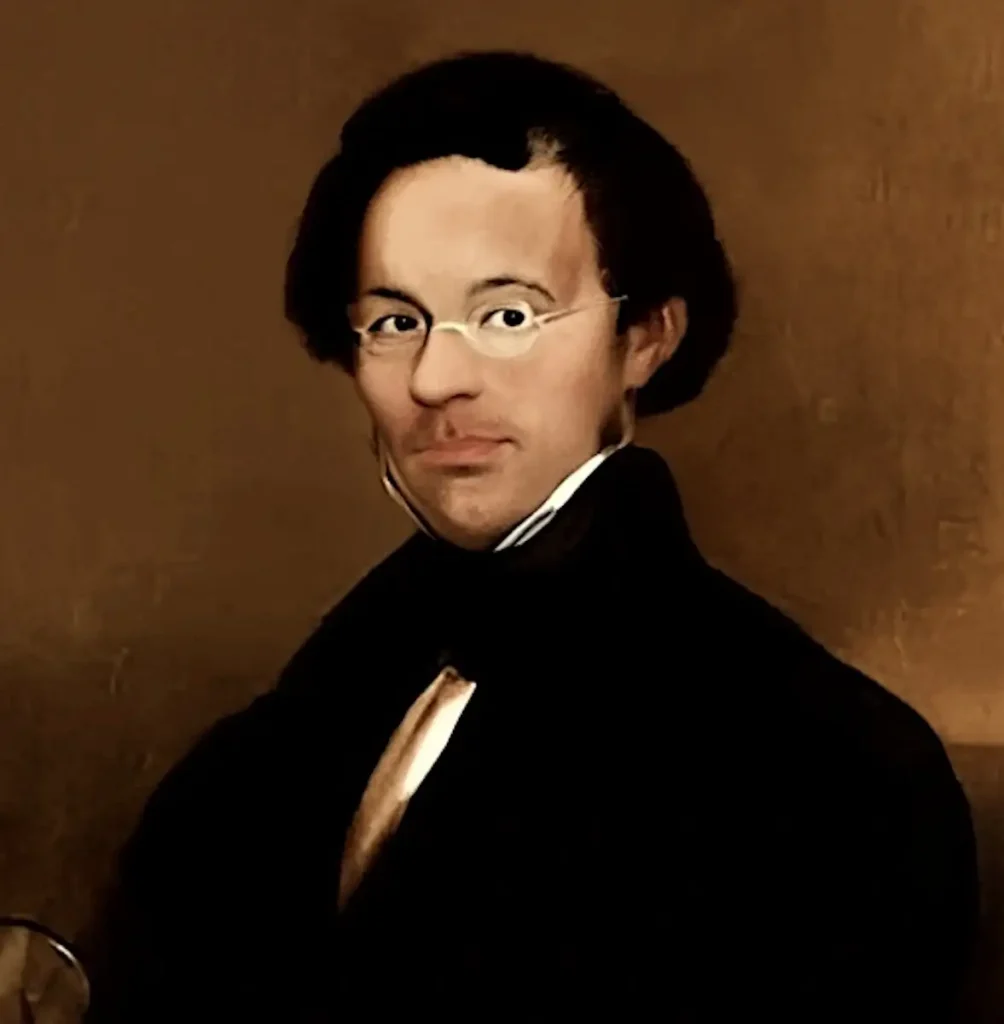
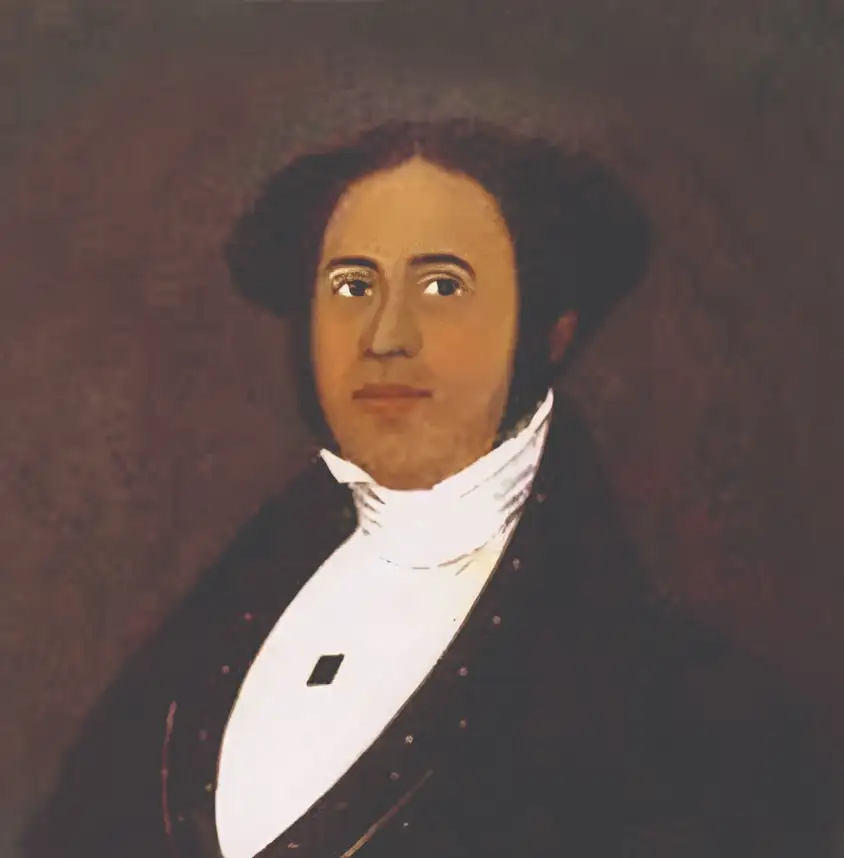
African American entrepreneurs Stephen Smith (left) and William Whipper (right) invested in businesses that powered the Underground Railroad.

Creative. Audacious. Courageous.

From Pittsburgh to Philadelphia, from the Mason-Dixon Line to Lake Erie and the New York border, Pennsylvania was fully engaged in the quest for freedom dating back to colonial times. This complex, sprawling story can only be told in a museum of national importance dedicated to the Underground Railroad and Abolitionist movement in the Keystone State.

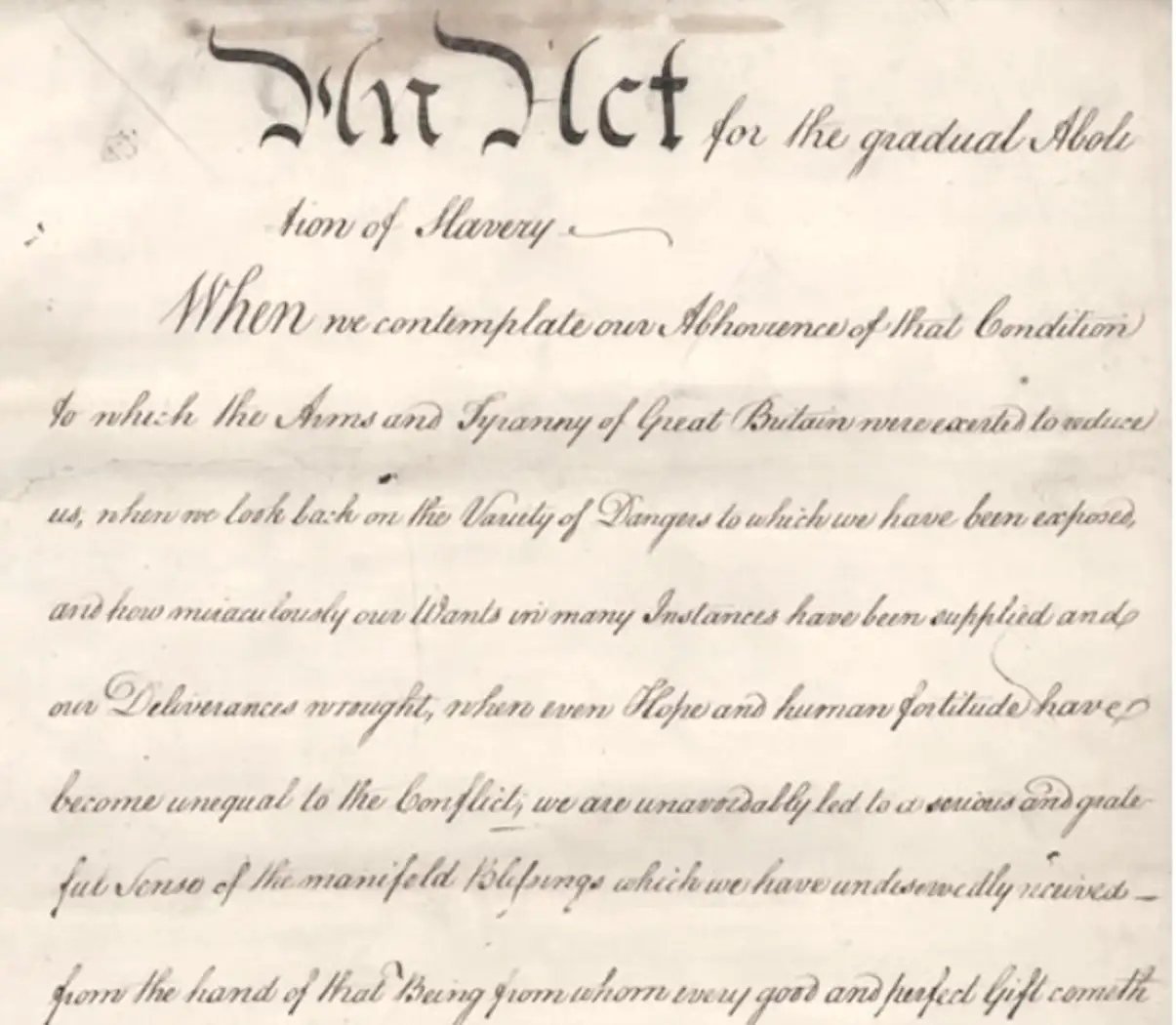
1780

Pennsylvania becomes the first state government to pass an act for the gradual abolition of slavery.
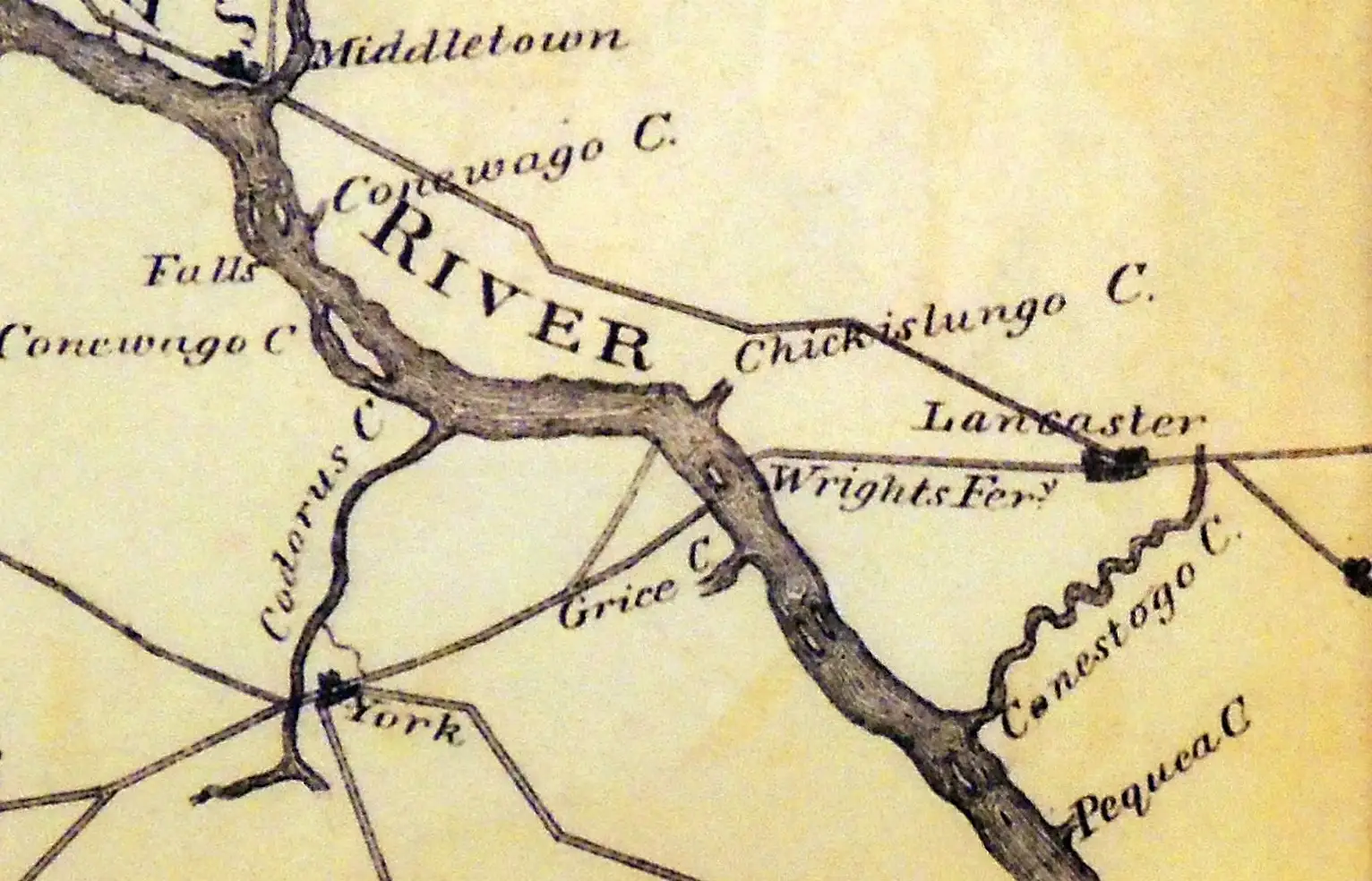
1804

A spontaneous act of resistance against slavery occurs in Columbia, Lancaster County, establishing its reputation as an appealing destination for freedom seekers.
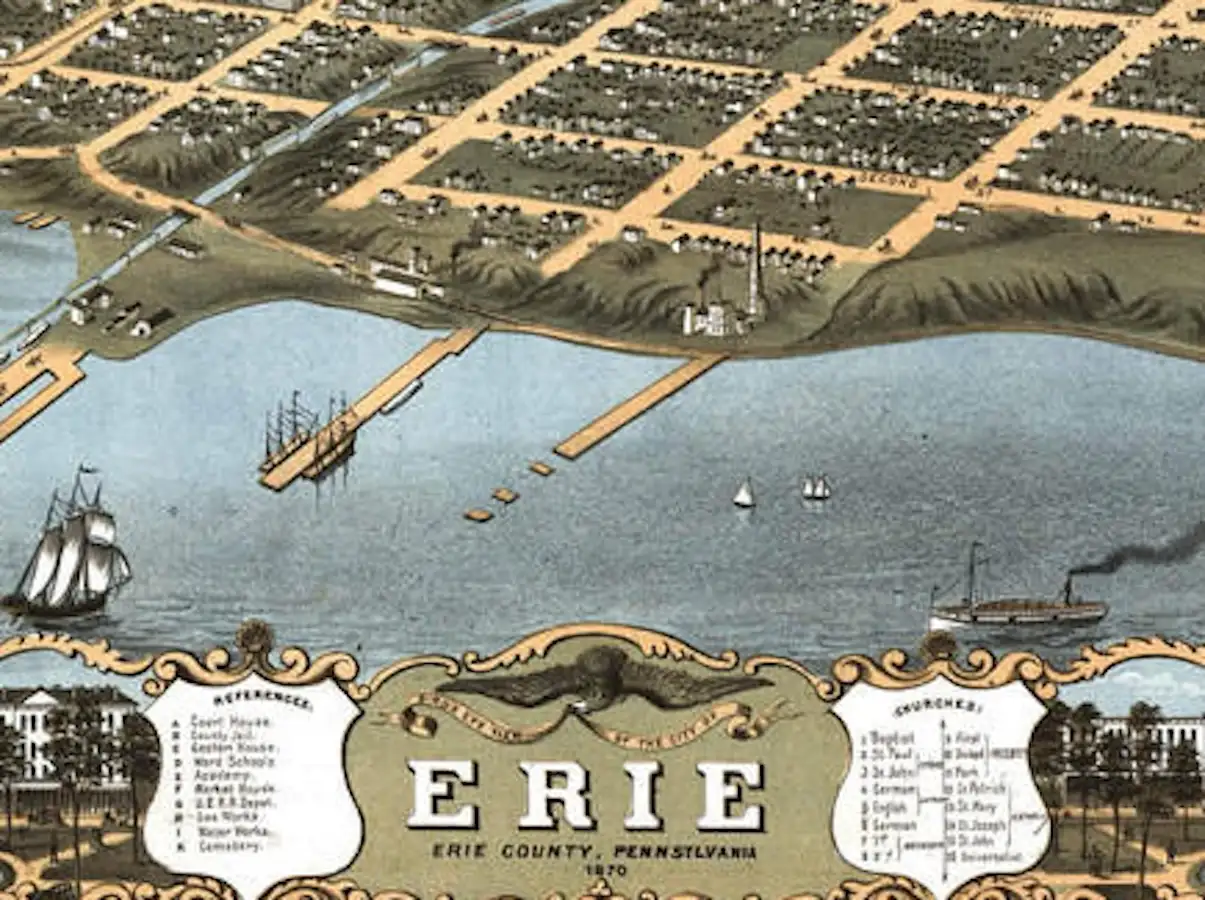
1811

The Ford Station in Erie begins more than two decades of operation as a stop on the Underground Railroad—for many, the final step to freedom in Canada.
1818

Leading advocates from Lancaster and York counties form the Columbia Abolitionist Society, which will provide education, employment and housing to the previously enslaved.

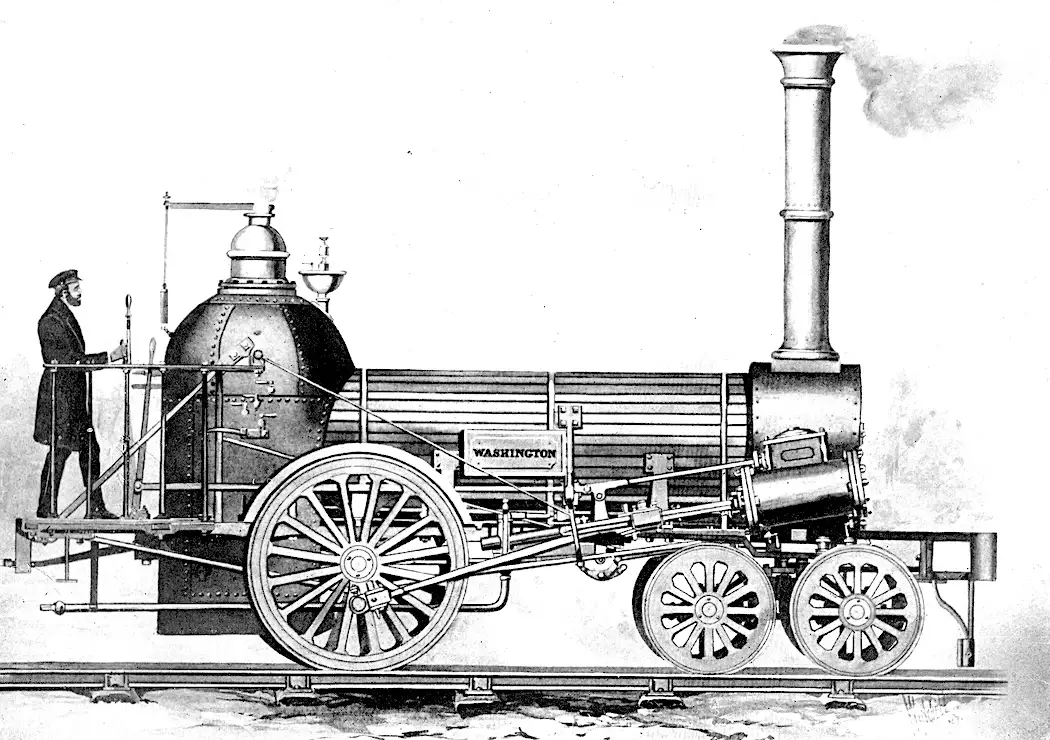
1830

The Philadelphia & Columbia RR lays its first mile of track; by 1838 the line will become a secret corridor of the Underground Railroad.
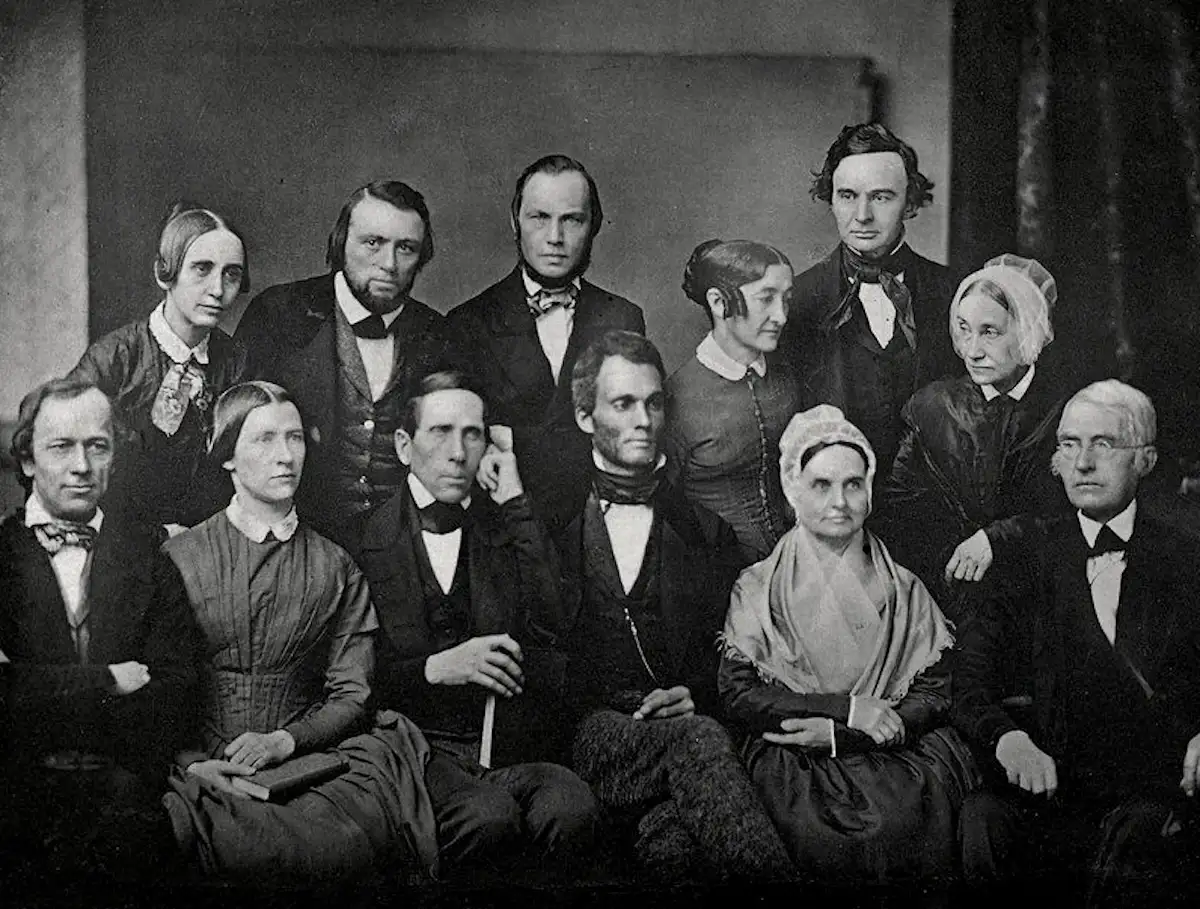
1834

The Philanthropic Society is formed in Pittsburgh; Martin Delany, Lewis Woodson, John Peck and John Vashon will help transform it into a hub of Underground Railroad activity.

1837 - 1838

Anti-slavery societies are formed in Harrisburg and Philadelphia.
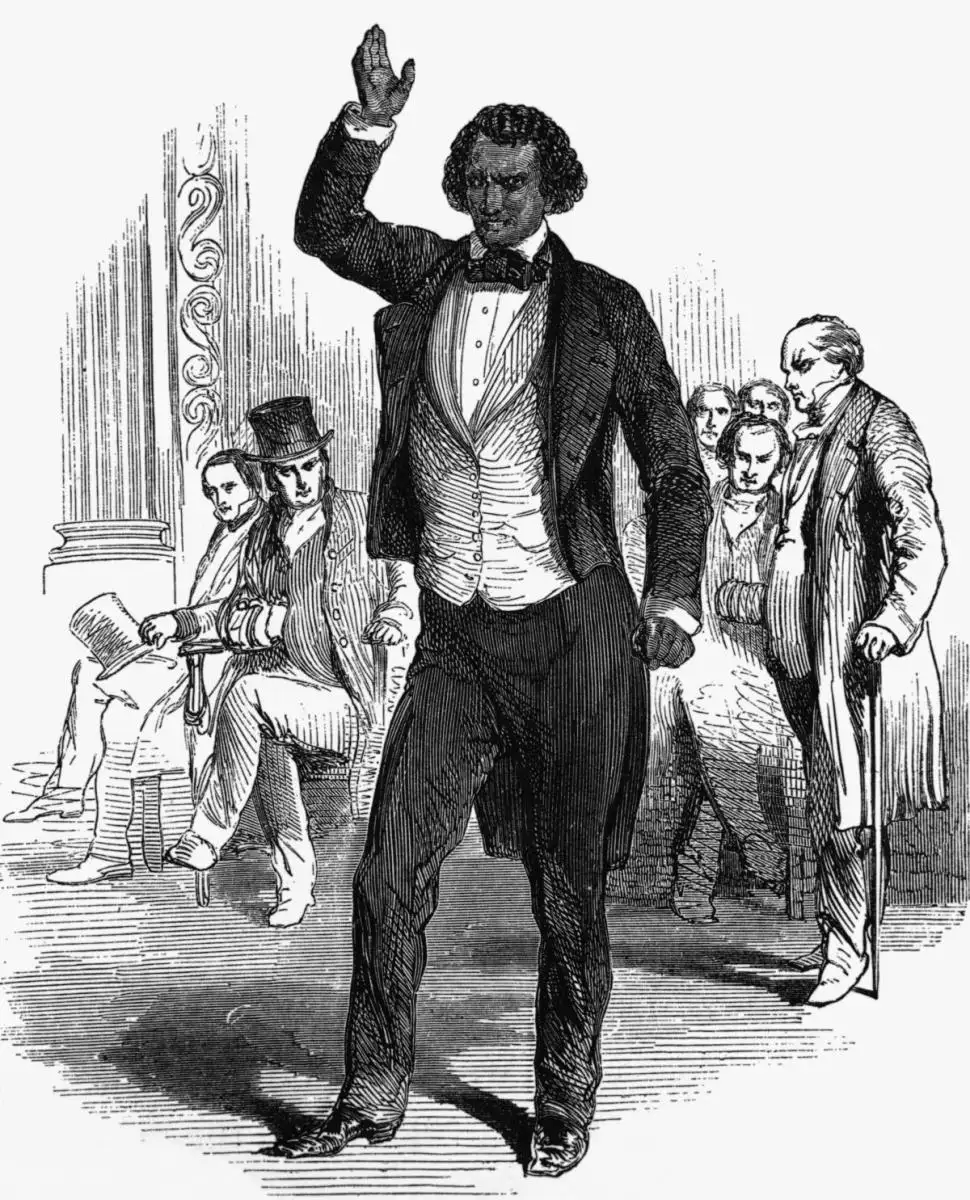
1847

Frederick Douglass delivers two memorable speeches at the annual meeting of the Eastern Pennsylvania Anti-Slavery Society in Norristown; Robert Purvis, Lucretia Mott, Charles Burleigh and William Lloyd Garrison are among the Abolitionist luminaries in attendance.
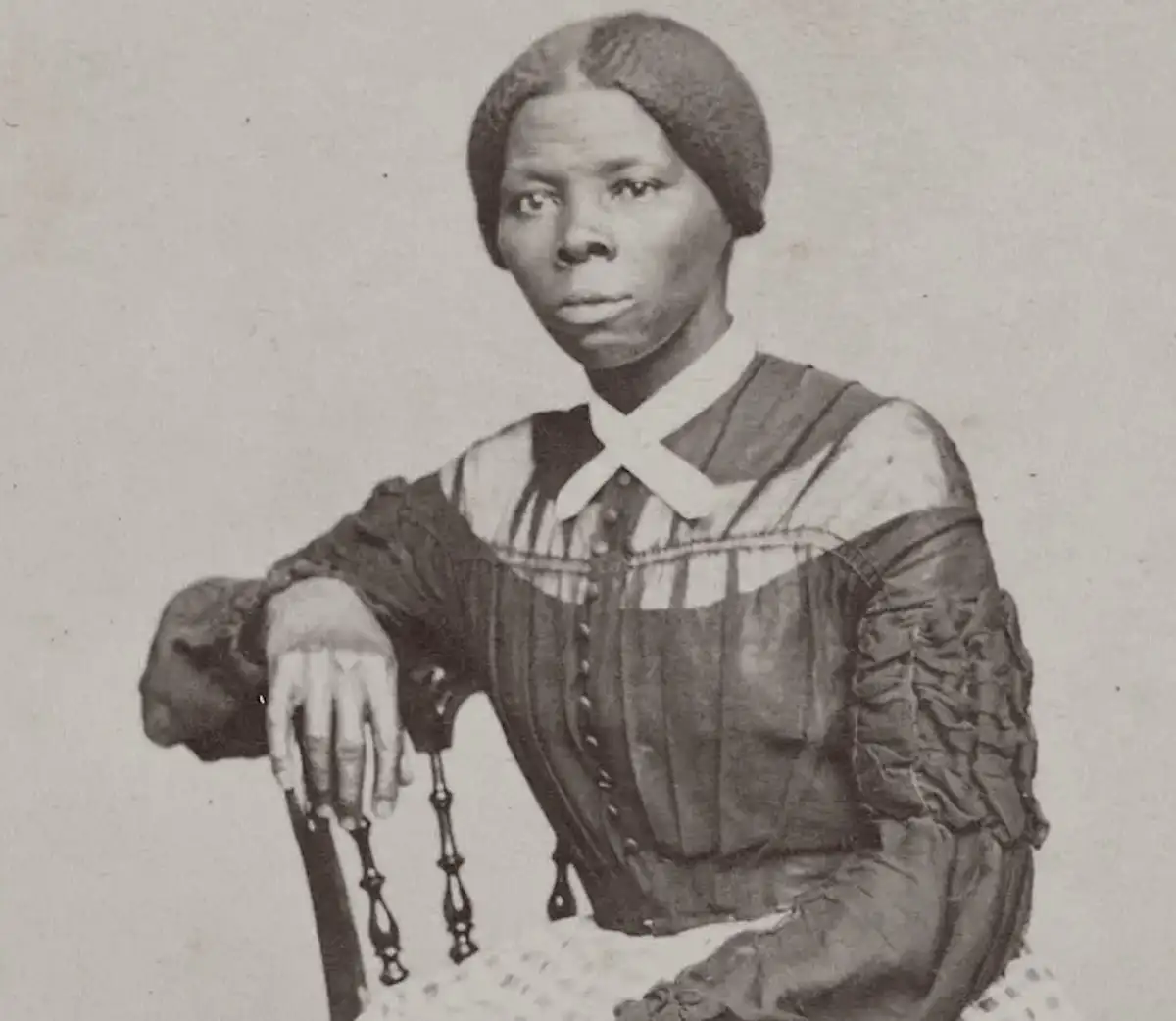
1849

Following three decades of bondage, Harriet Tubman escapes to Philadelphia, where she forms a partnership with William Still, who will finance her Underground Railroad activities.
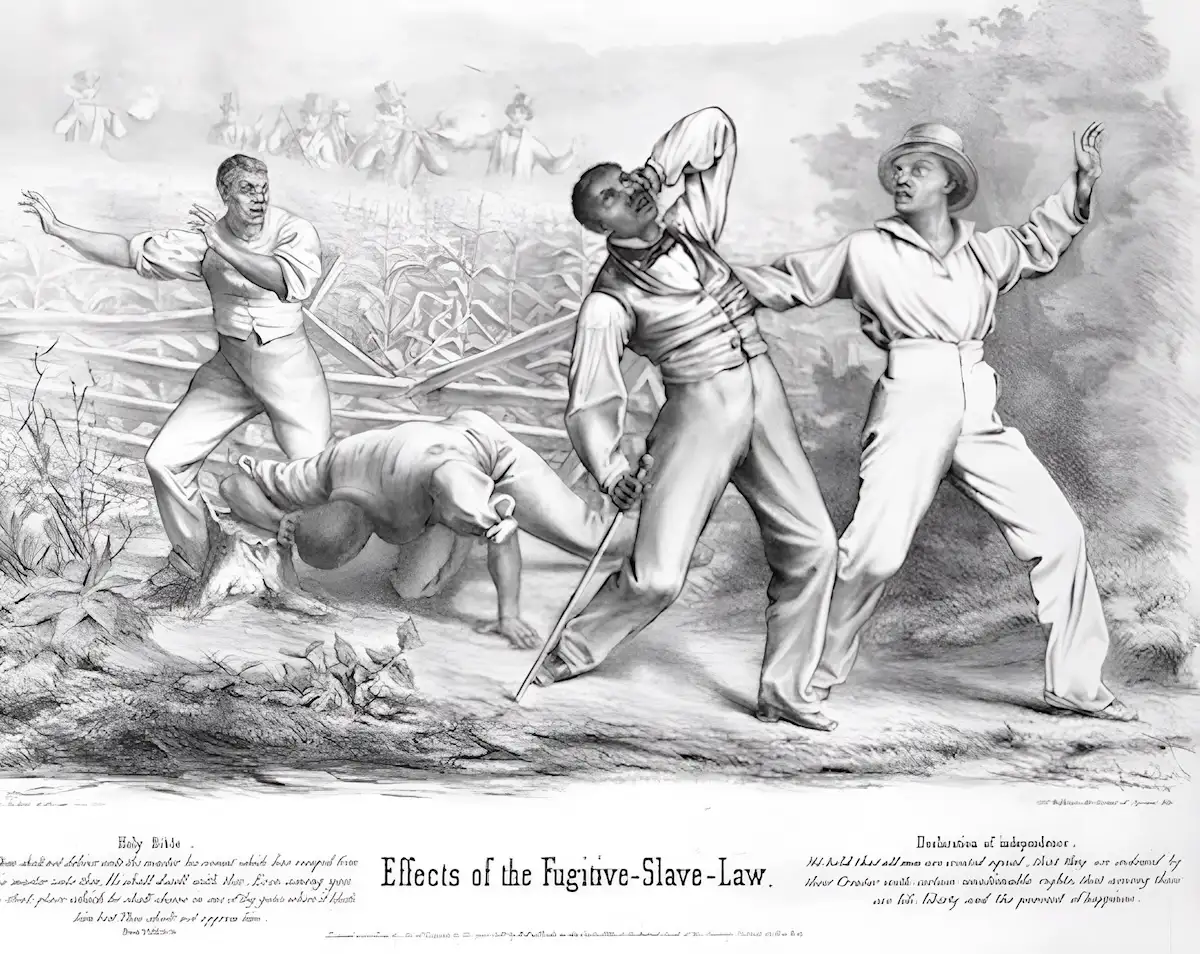
1850

Congress adopts the Fugitive Slave Act, raising the stakes for Underground Railroad activity in Pennsylvania, which now becomes a federal crime.
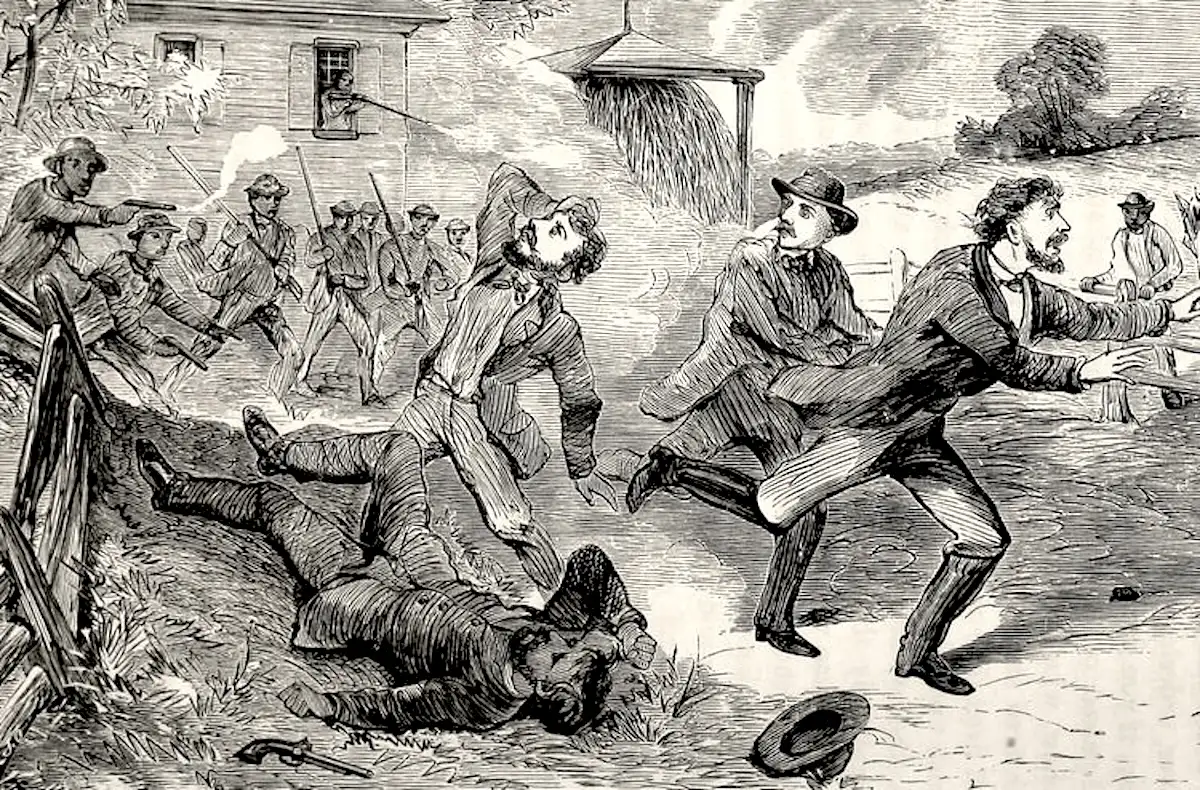
1851

Thirty-eight people are tried for treason following a deadly confrontation in the Lancaster County enclave of Christiana, with a man seeking to return formerly enslaved men to his Maryland farm; all 38 are acquitted in an early blow to enforcement of the Fugitive Slave Act.
1863

The mile-long covered bridge across the Susquehanna River is burned to prevent Confederate forces from pouring into Lancaster County; the Battle of Gettysburg begins three days later.

Pennsylvania: All In... All Over

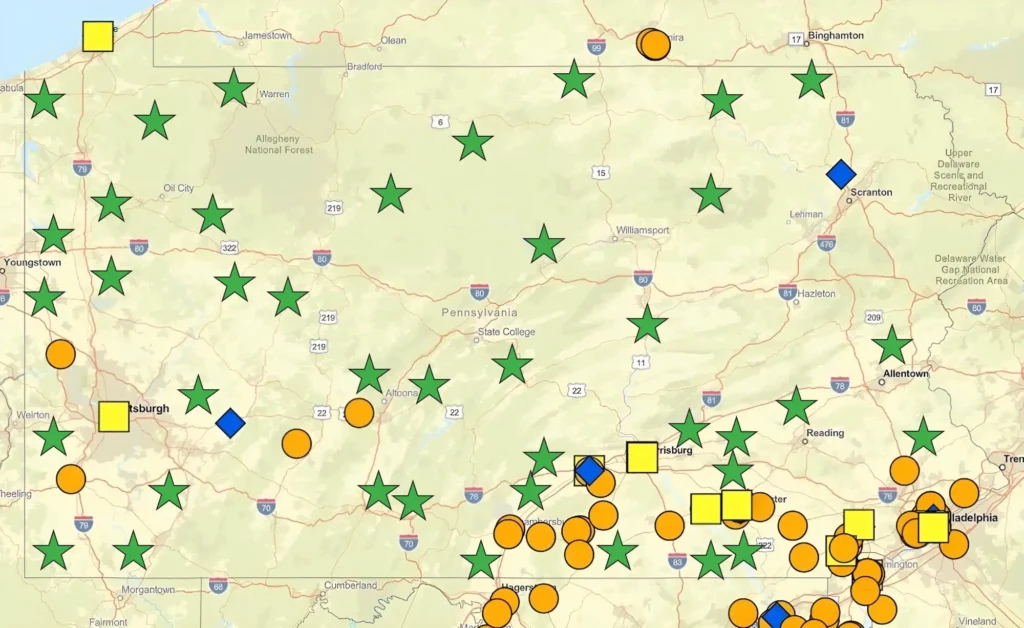
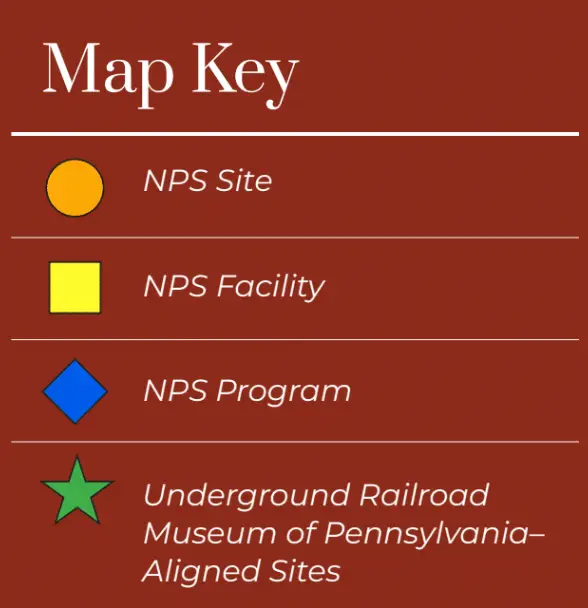
Pennsylvania has dozens of established sites on the National Park Service Underground Railroad Network to Freedom. Our research has identified at least 100 more that currently fly under the tourism radar or have been forgotten altogether. In advance of its opening, the Underground Railroad Museum of Pennsylvania is launching an initiative to“recreate” this vast anti-slavery network to stimulate recognition and foot traffic for related historic sites—and unveil the ultimate interactive larger-than-life Underground Railroad map when the museum welcomes its first visitors.

A Conspiracy of Good

The Underground Railroad Museum of Pennsylvania will leverage a combination of technology, research and leading-edge museum design to introduce visitors to the people who made the freedom engine run. Given the nature of this Conspiracy of Good, many heroes and heroines went unnamed or unknown. Those whose stories we do know (there are more than one thousand and counting in Pennsylvania!) will be identified and honored throughout the museum space.

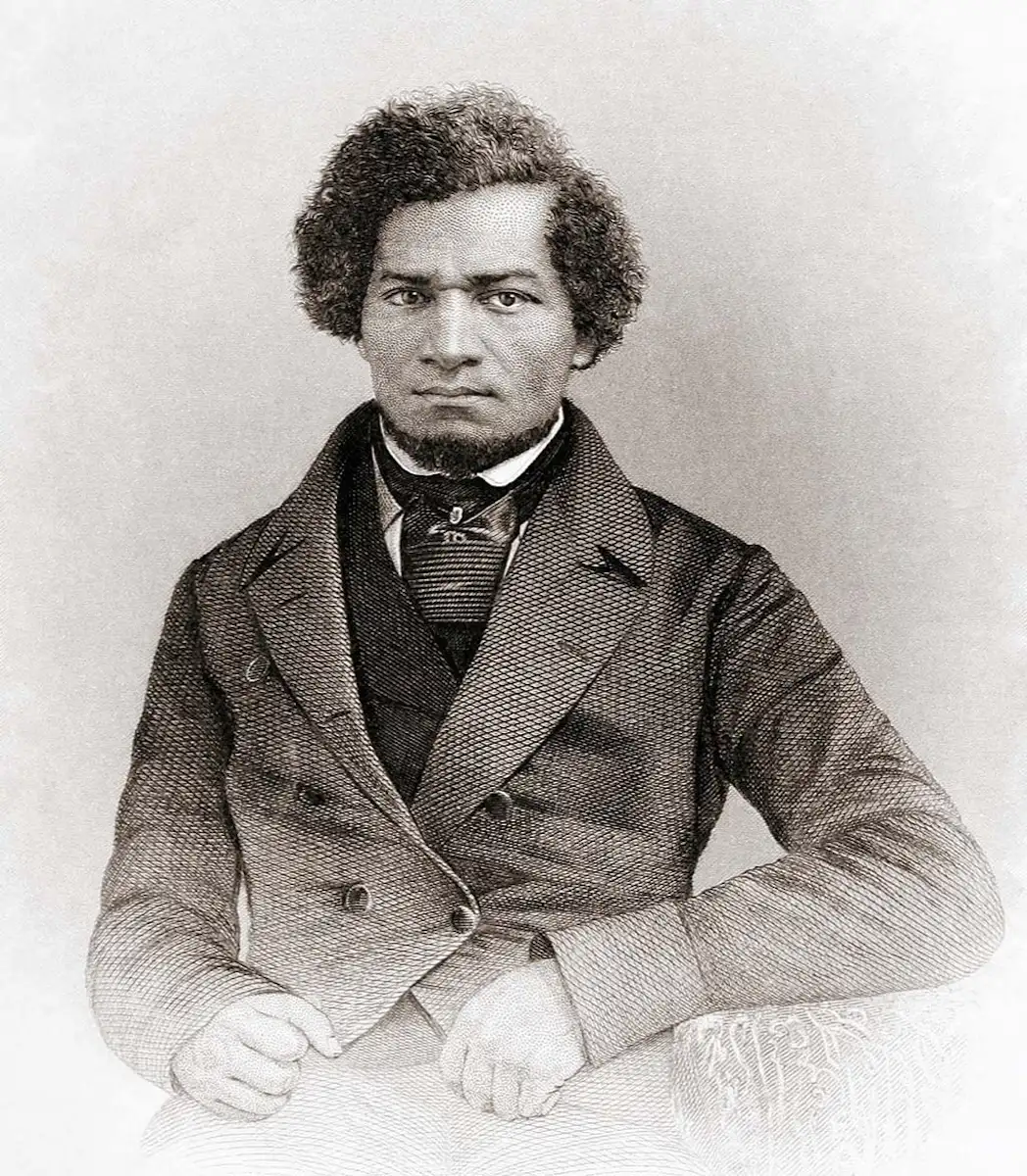
Frederick Douglass

Legendary Abolitionist whose work in South Central PA and Philadelphia inspired Underground Railroad activity and opposition to slavery.
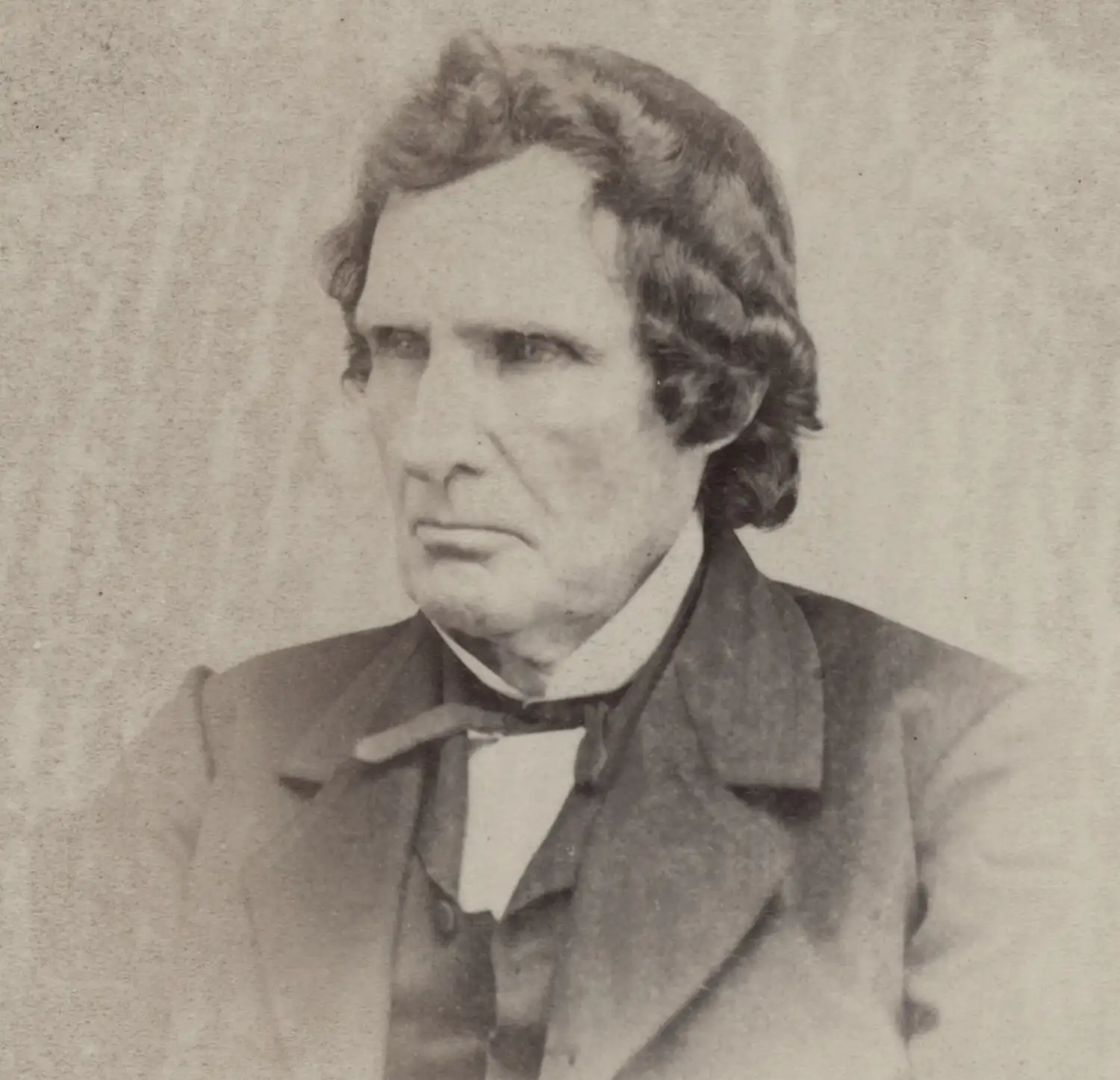
Thaddeus Stevens

Crusading Lancaster County lawyer who fought tirelessly to end human bondage in Pennsylvania and, later, as a leading member of the U.S. Congress.
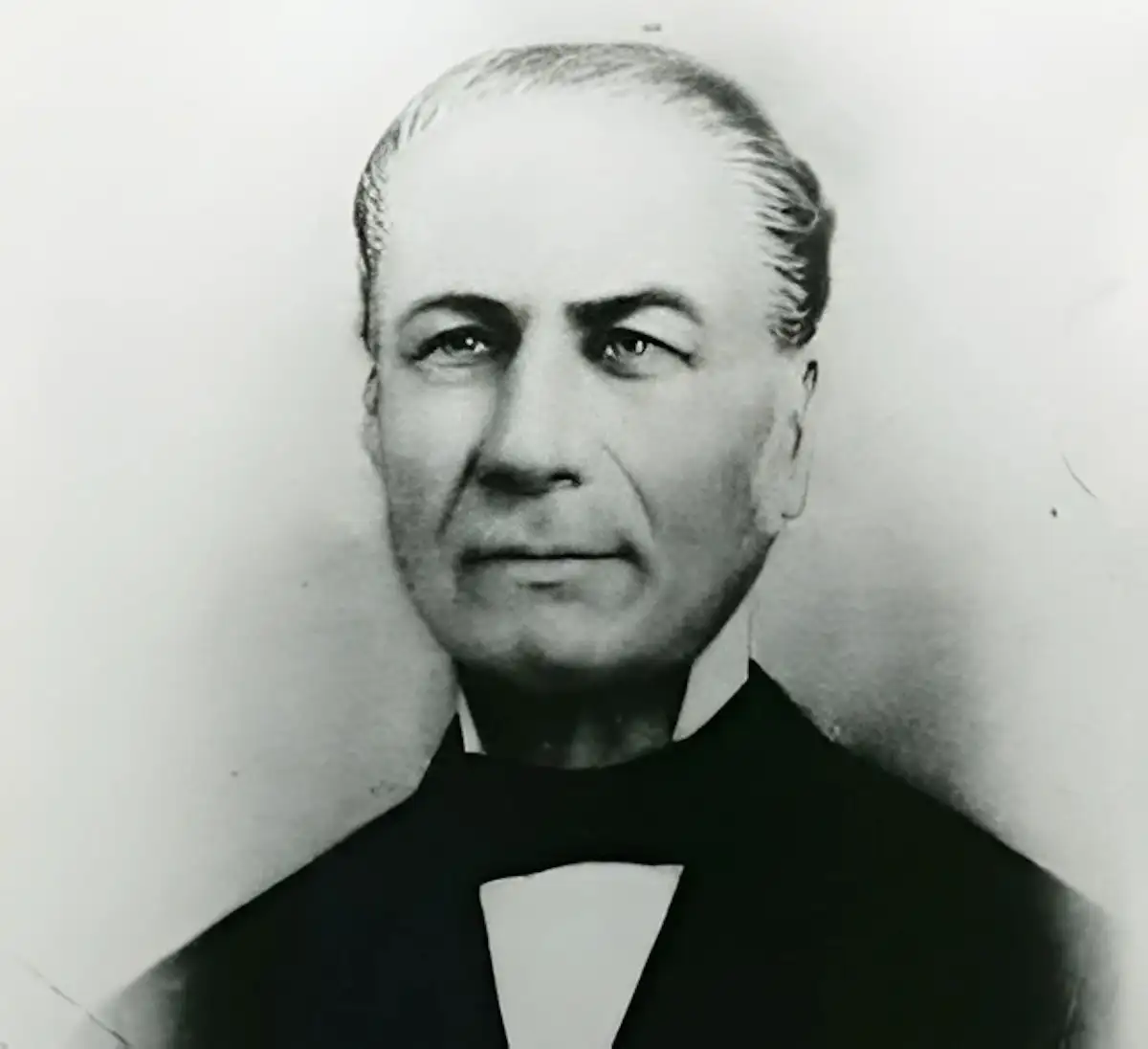
Lewis Woodson

A leader of the African Methodist Episcopal Church in Western Pennsylvania and a founding member of Wilberforce University in Ohio.
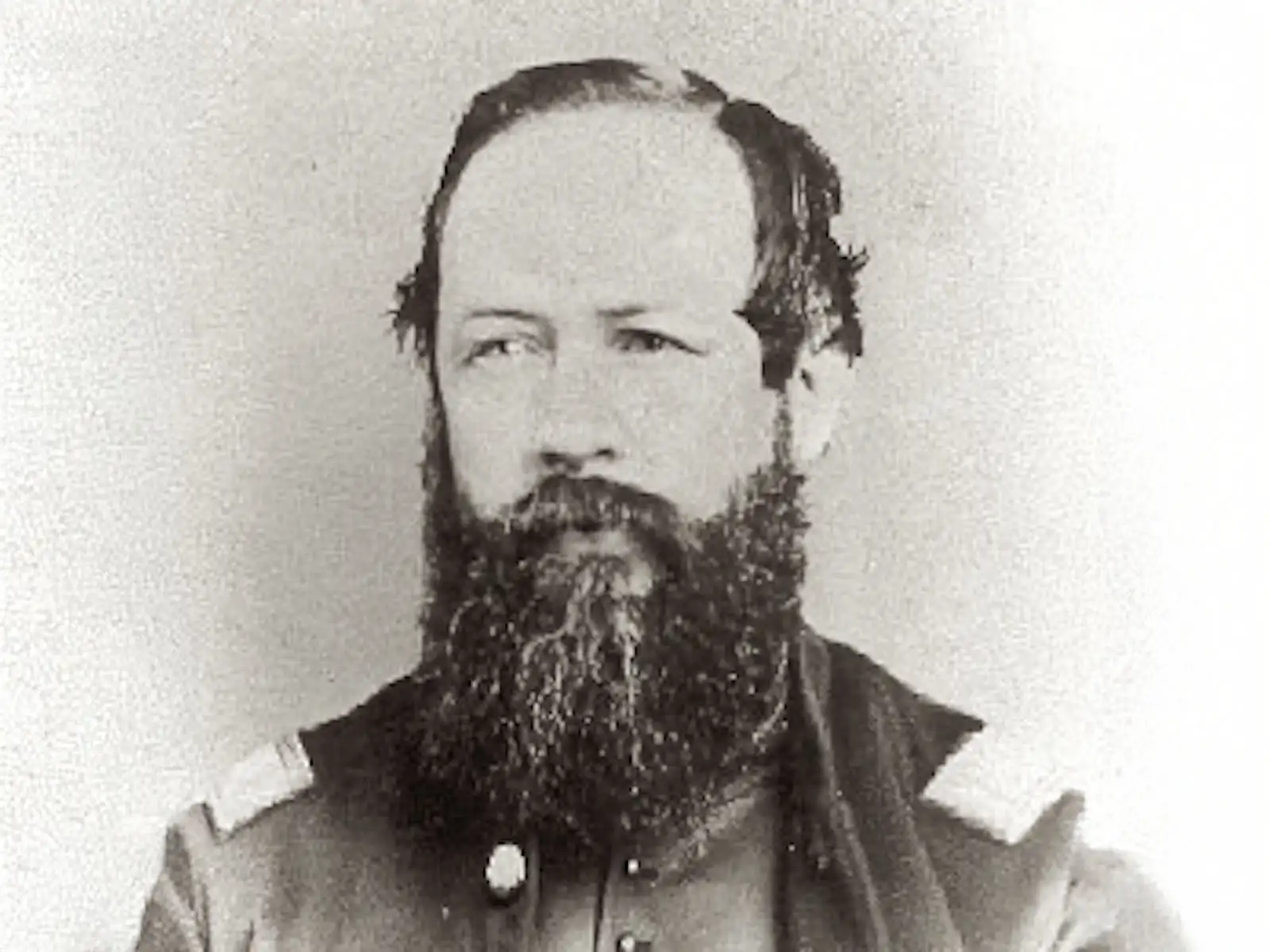
Samuel Evans

Lancaster County journalist who thwarted bounty hunters and chronicled Underground Railroad activity in Columbia.
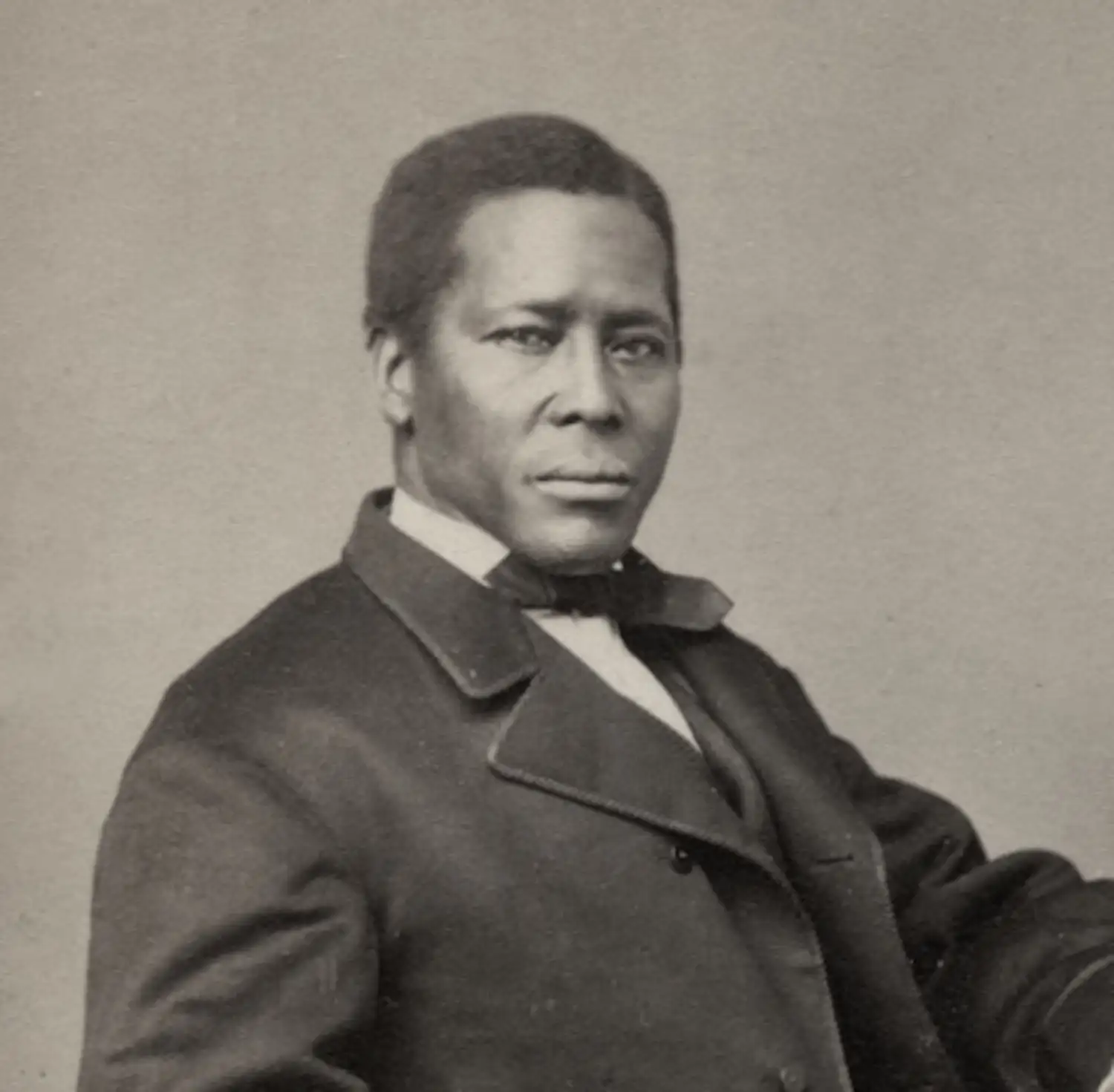
William Still

The linchpin of Underground Railroad activity in Philadelphia and author of the 1872 book that detailed the work of conductors across Pennsylvania.
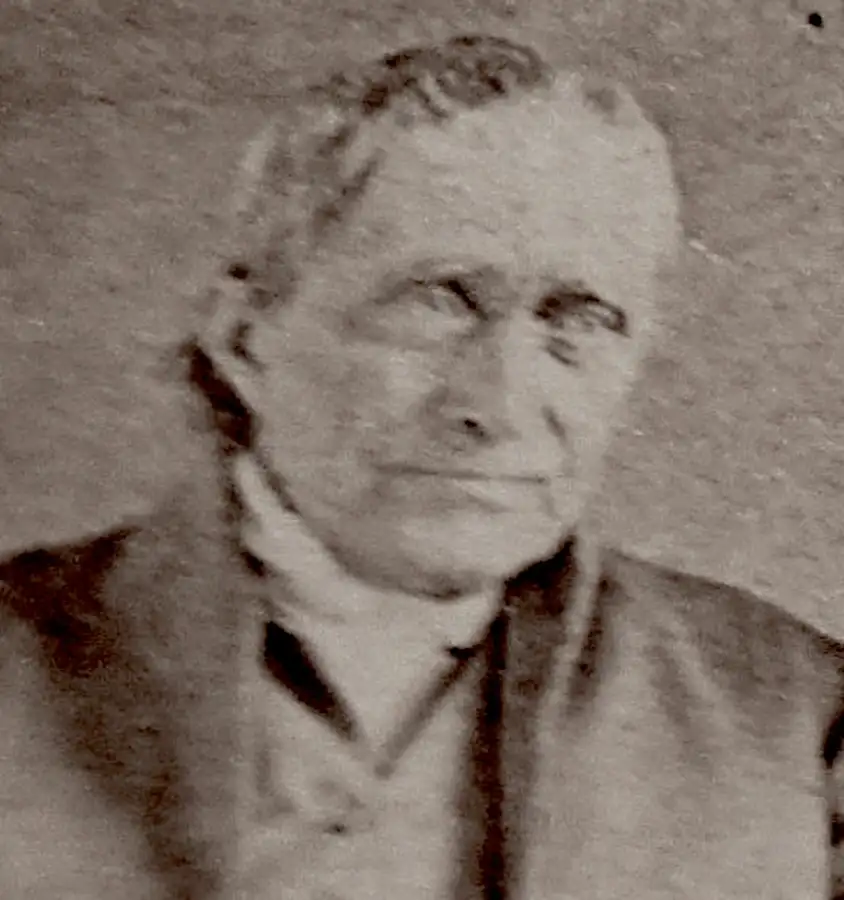
William Wright

Wealthy Quaker who worked with Stephen Smith, William Whipper, and others to establish Columbia as a safe haven for freedom seekers and home to a thriving African American community.
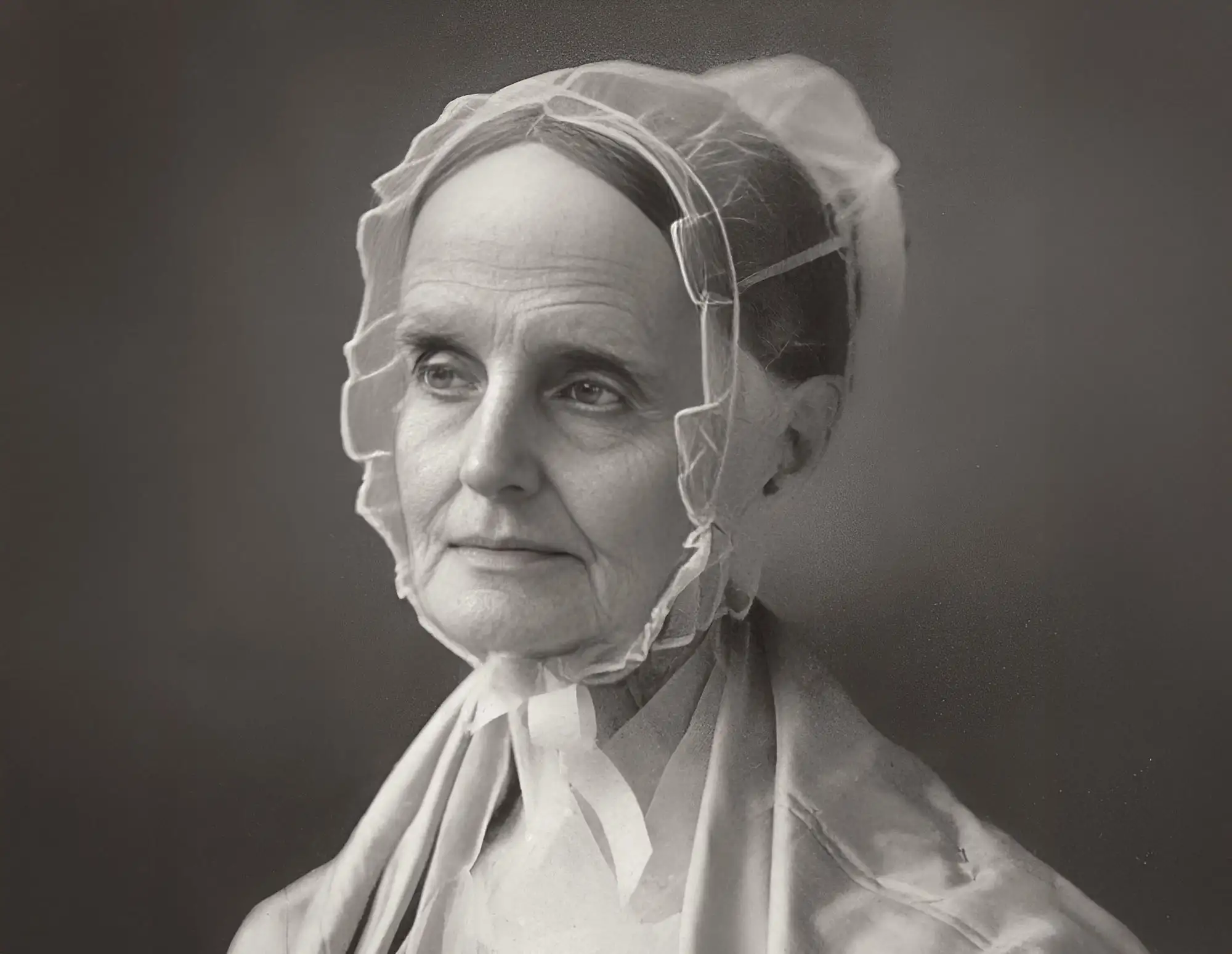
Lucretia Mott

Co-founder of the Pennsylvania Anti-Slavery Society who sheltered freedom seekers in her Philadelphia home.
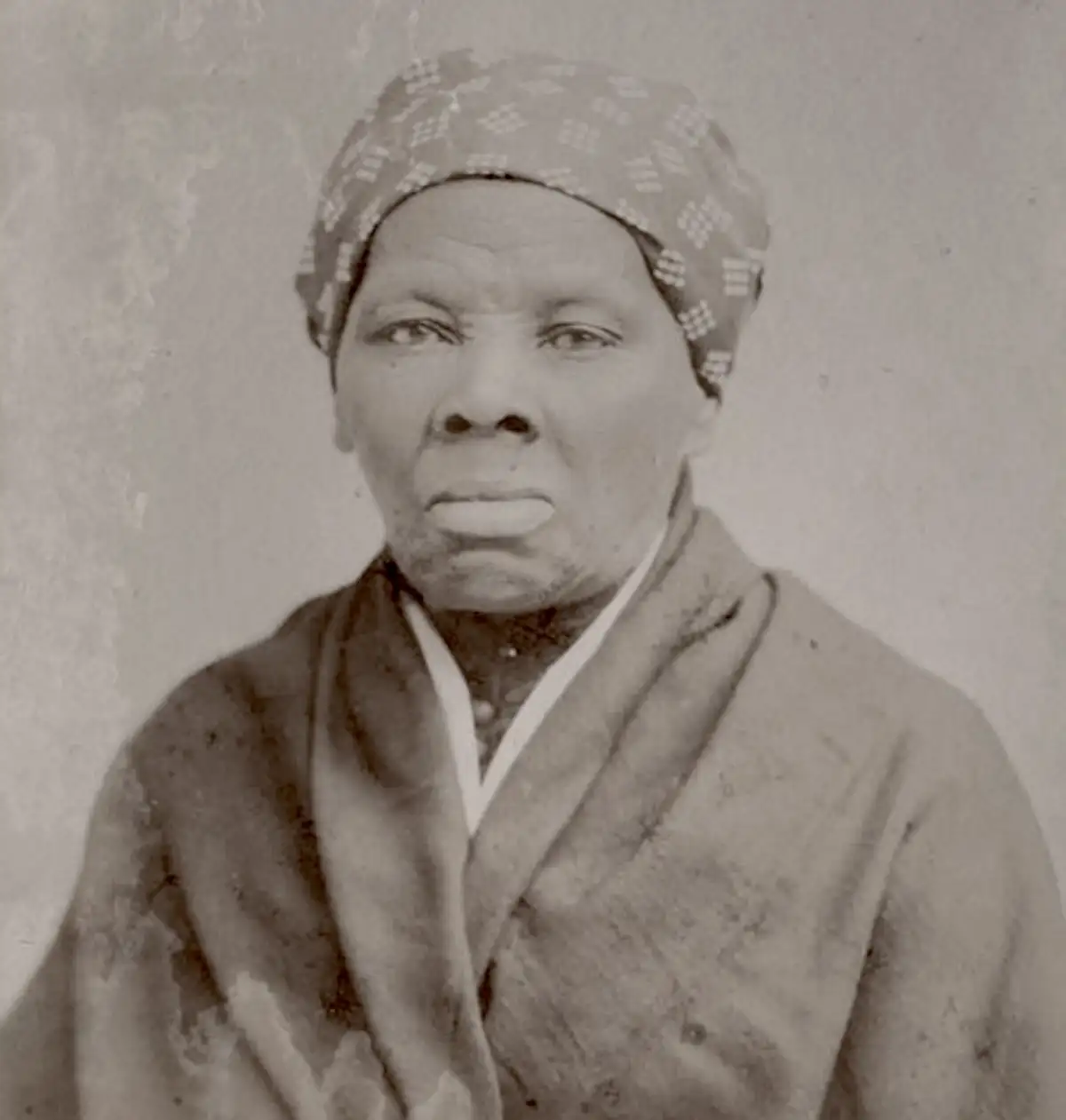
Harriet Tubman

Famed Underground Railroad leader who escaped to freedom in Pennsylvania in 1849 and utilized routes throughout Chester County in the decade that followed.
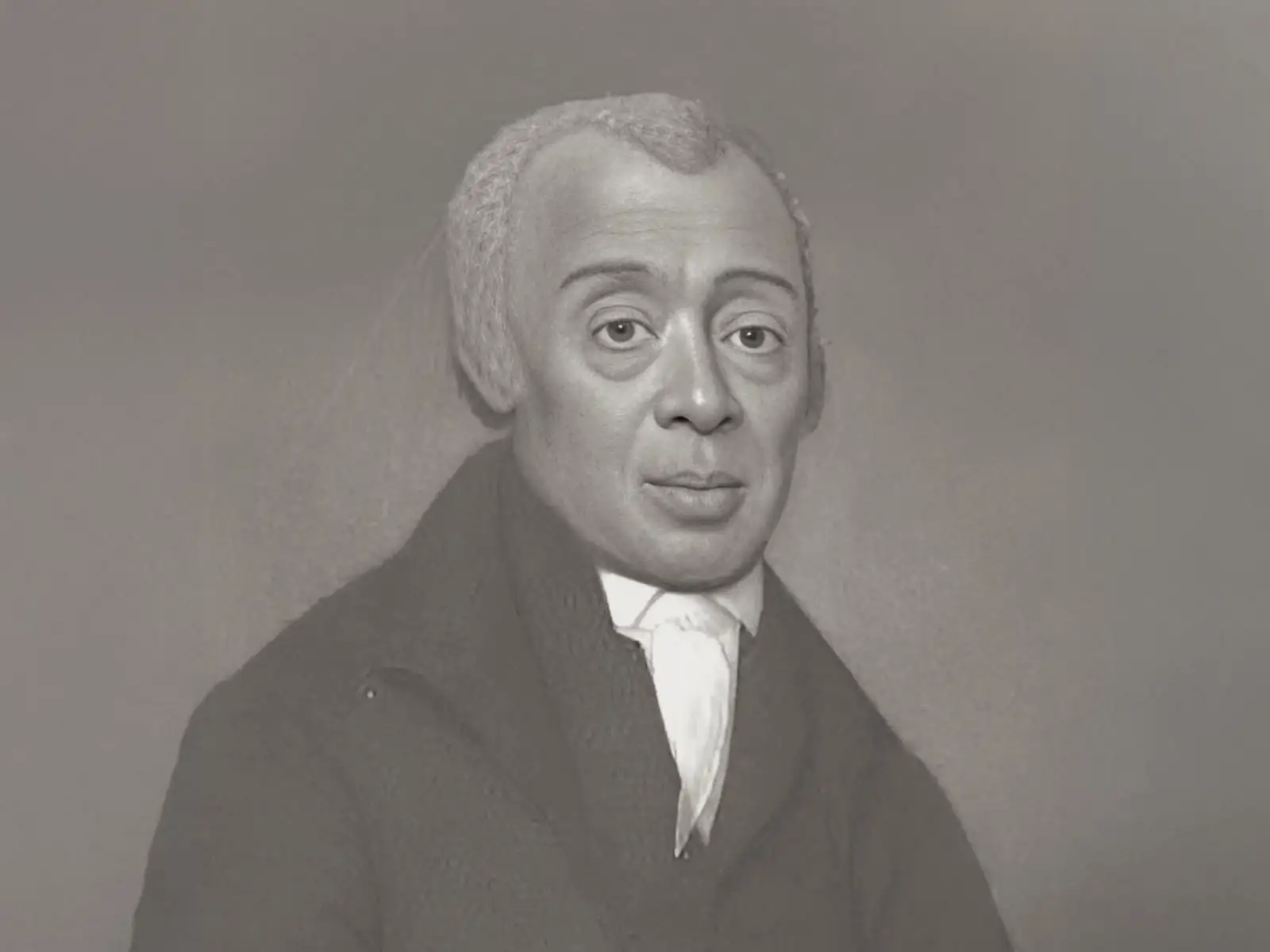
Richard Allen

Established the African Methodist Episcopal Church in Philadelphia—a station on the Underground Railroad—and founded the Free African Society.
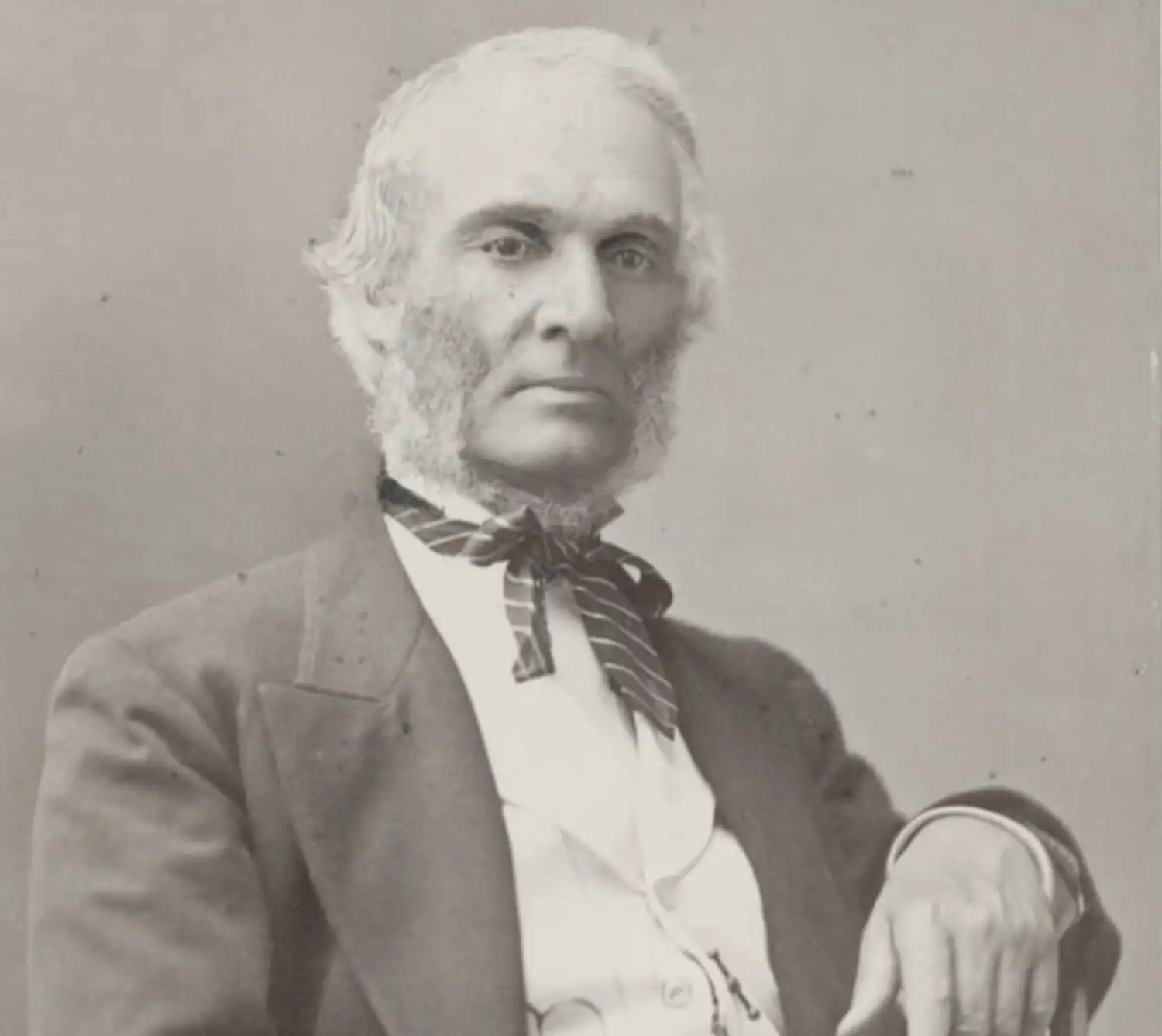
Robert Purvis

A leading Abolitionist whose three decades of Underground Railroad activity helped thousands of freedom seekers through Pennsylvania.
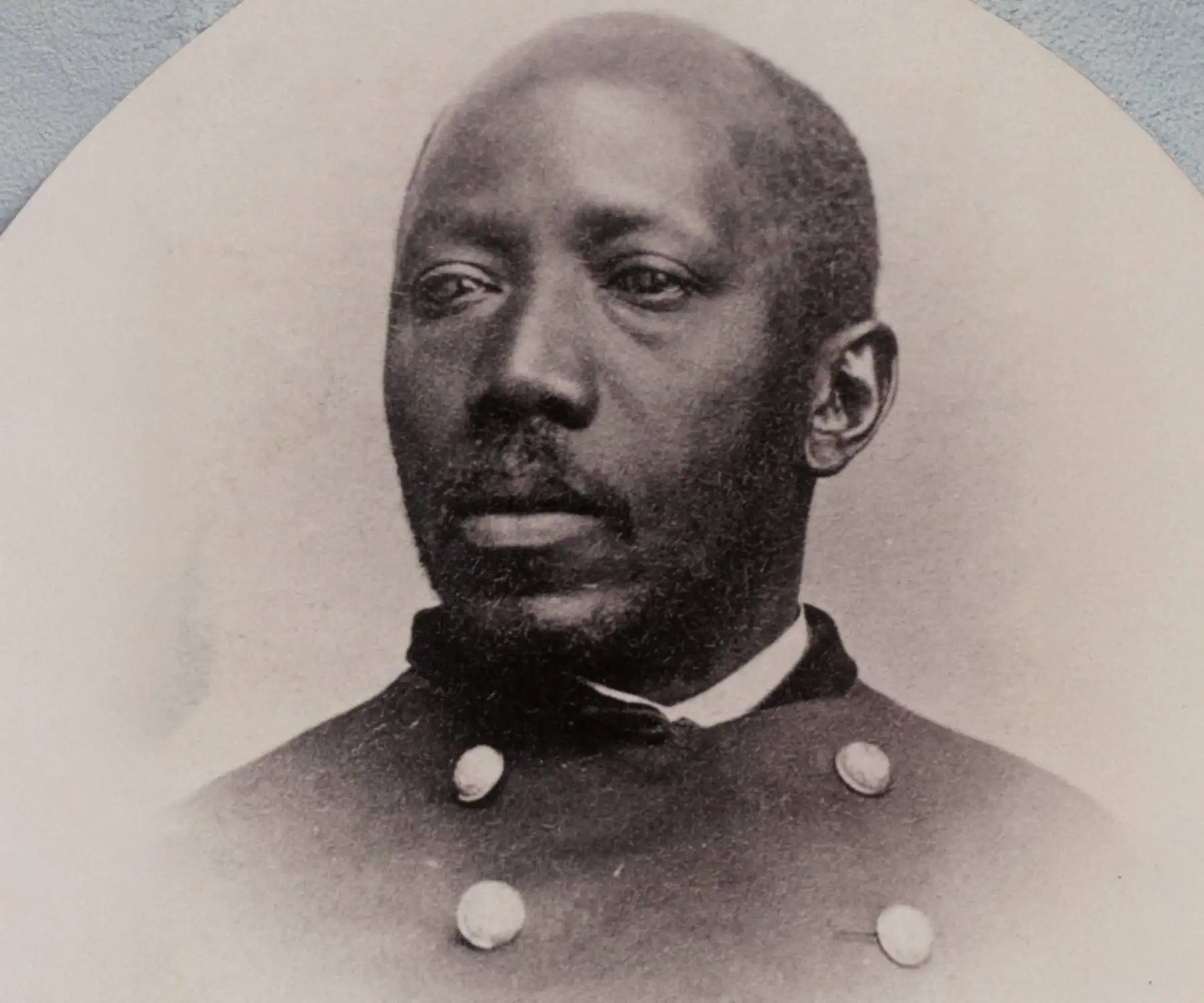
Martin Delany

Aided freedom seekers in Western PA and co-founded the Philanthropic Society in Pittsburgh, where he served as a reporter for “The North Star.”
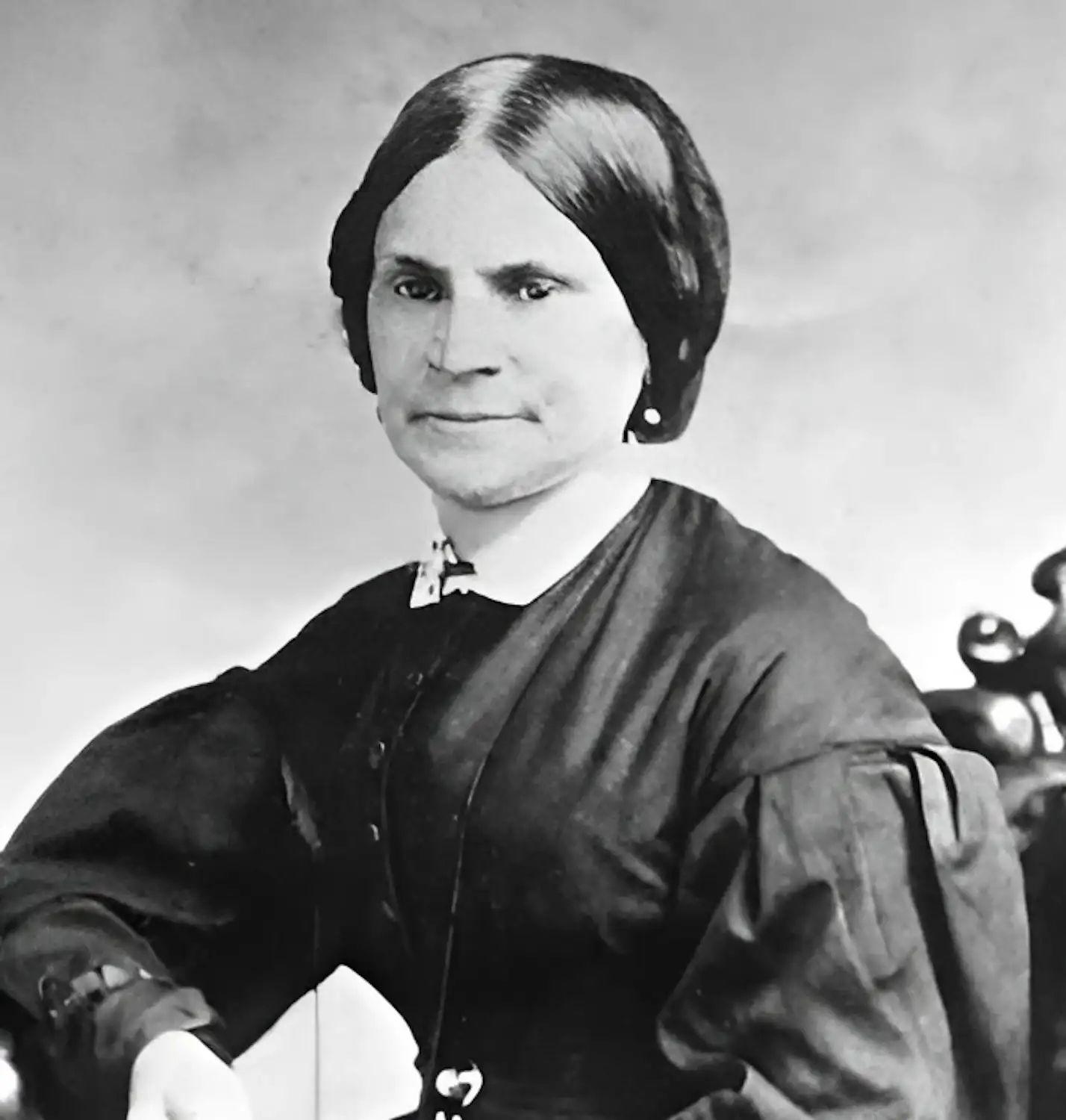
Lydia Hamilton Smith

Housekeeper & trusted confidante to Congressman Thaddeus Stevens. Did she manage an Underground Railroad station at their Lancaster home?
Engage. Educate. Entertain.

Interactive Holograms

Museum visitors will be able to meet game-changers of the Underground Railroad face-to-face thanks to leading-edge exhibit technology that brings the past to life. An in-house movie studio will enable reenactors to appear live for special events and school visits.

Exhibits will feature life-size holograms of actors portraying key figures in the state’s Underground Railroad story. We will be one of the first museums in America to fully utilize this technology.
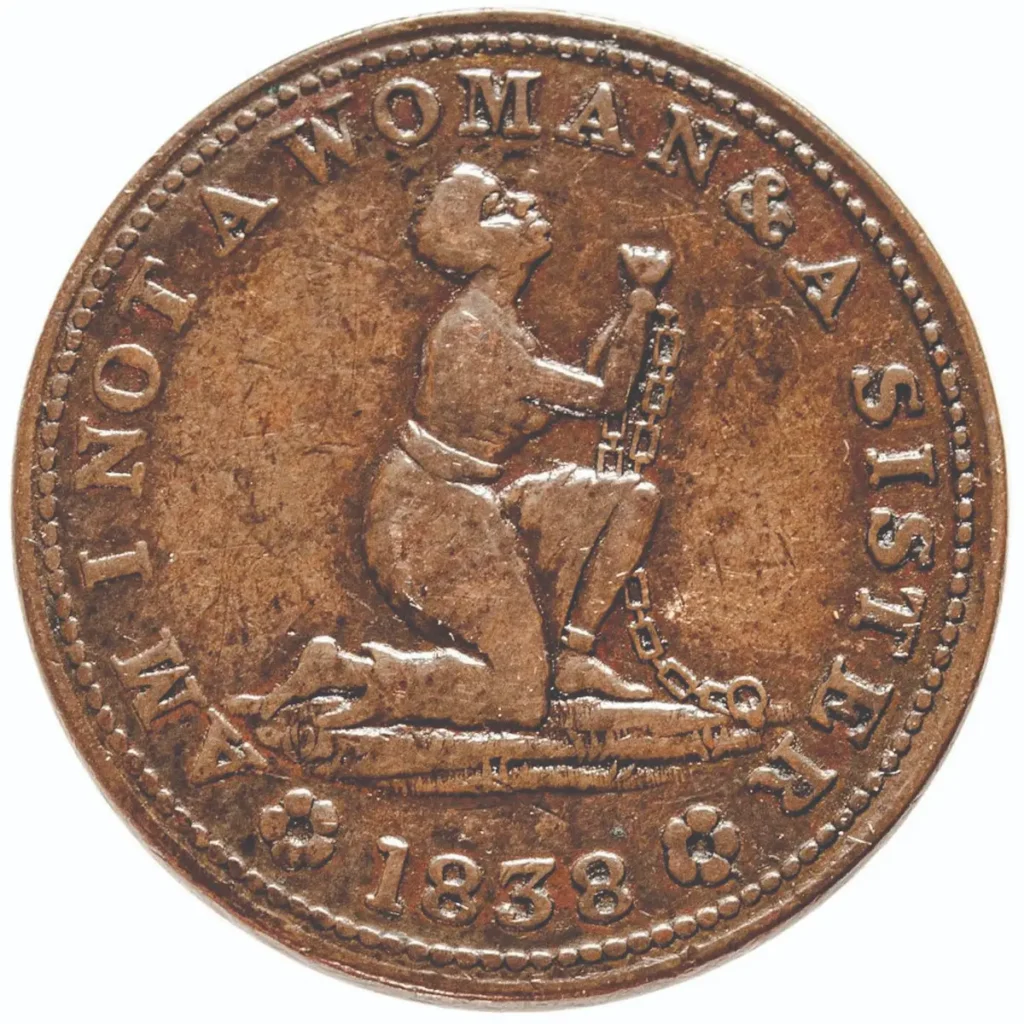
This 1838 token is one of the many artifacts in the museum collection associated with the Abolitionist movement.
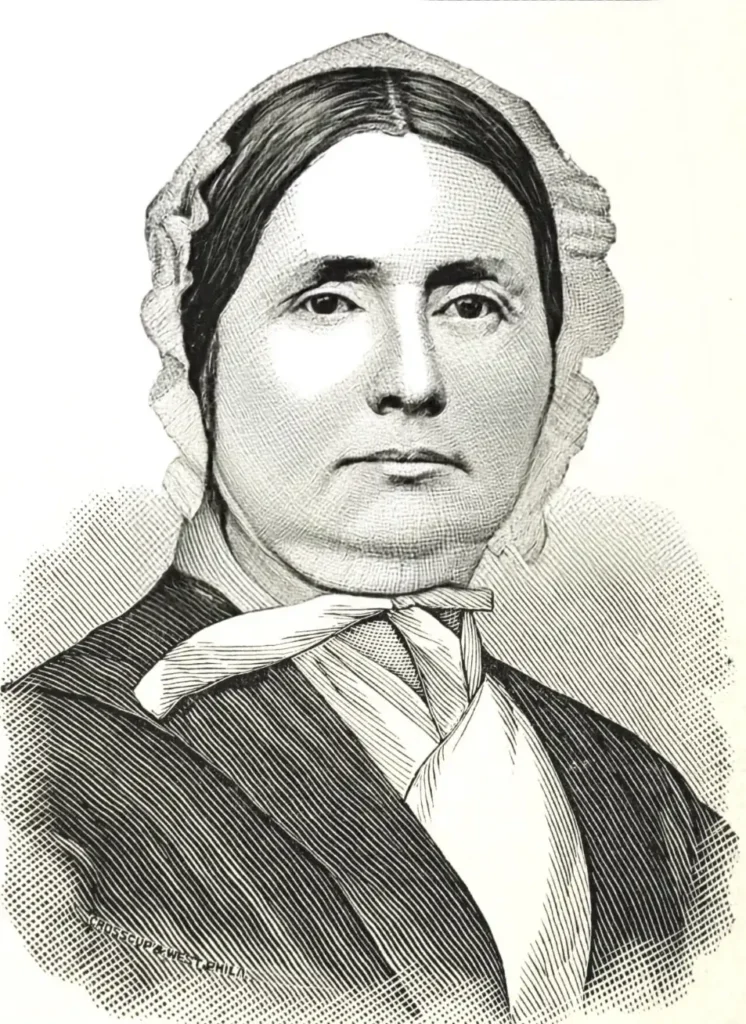
Without the participation of Pennsylvania women like Hannah Gibbons, a Lancaster County Quaker, moving freedom seekers from station to station would have been impossible.

Women of the Underground Railroad

We will explore the vital and often perilous role played by Pennsylvania women in moving freedom seekers to safety. Female courage and ingenuity in the fight against human bondage is a story that has yet to be fully appreciated.

Keeping It Real

The inherent nature of Underground Railroad artifacts is that they are few and far between. Faithful reproductions will enable visitors to enjoy an intimate, hands-on experience, while holographic technology holds the promise of “shared” collections between museums.

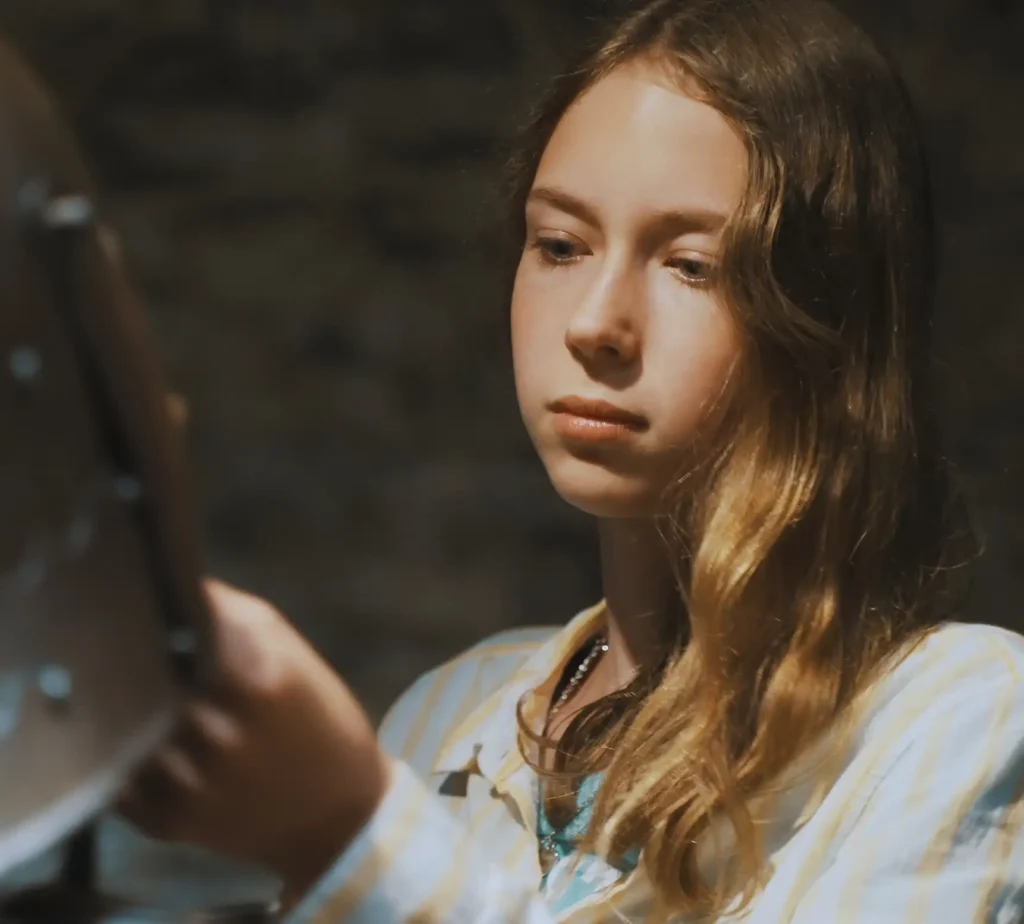
Young visitors will have the opportunity to interact with displays and objects that help the Underground Railroad jump off the pages of history.

Purpose. Passion. Prestige.

Talented staff members of the architectural firm of Perkins & Will have been on the forefront of high-impact museum projects designed to add depth and dimension to the visitor experience. We are pleased and proud to be working with them on The Underground Railroad Museum of Pennsylvania!

Exhibits will feature life-size holograms of actors portraying key figures in the state’s Underground Railroad story. We will be one of the first museums in America to fully utilize this technology.

Image Credits

Cover • Exterior Rendering • Perkins & Will
2 • Wright’s Ferry Mansion • Upper Case Editorial
2 • Railroad Car • Illustration by Mike Abel
2 • Museum Lobby • Perkins & Will
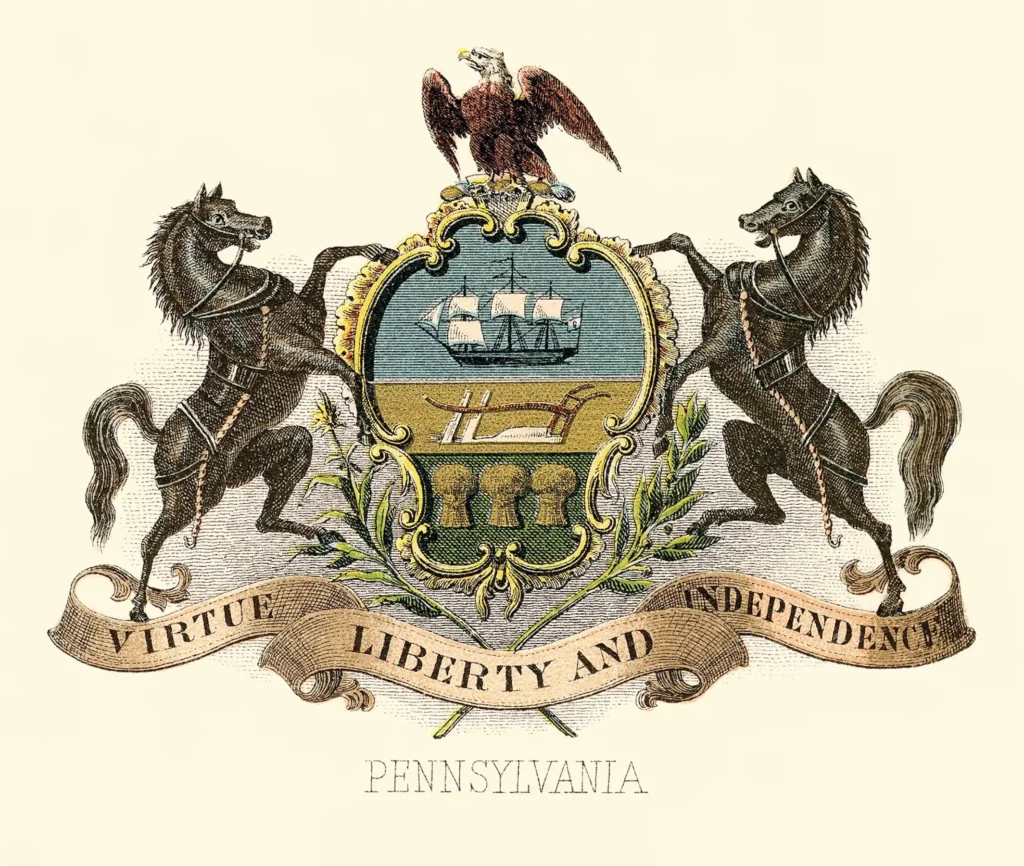
3 • State Seal • Commonwealth of Pennsylvania*
3 • 1838 Bridge • George Virute, Artist*
3 • Stephen Smith • Historical Society of Philadelphia*
3 • William Whipper • Fenimore Art Museum*
4 • 1833 Map of Pennsylvania • Taner’s Universal Atlas*
4 • 1780 • PA Historical & Museum Commission*
4 • 1804 • Conestoga Area Historical Society*.
4 • 1811 • Ruger & Stone*
4 • 1830 • William Norris Co.*
4 • 1837-38 • Frederick Guterknst, Photographer*
4 • 1847 • Artist Unknown*
4 • 1849 • Benjamin Powelson, Photographer*
4 • 1850 • Theodore Kaufmann, Artist*
4 • 1851 • Porter & Coates*
6 • Richard Allen • AME Sunday School Union*
6 • Martin Delany • Photographer Unknown*
6 • Frederick Douglass • Samuel J. Miller, Photographer*
6 • Samuel Evans • PRVC Historical Society*
6 • Lucretia Mott • National Women’s Society*
6 • Robert Purvis • Walmsley & Co.*
6 • Lydia Hamilton Smith • Lancaster History*
6 • Thaddeus Stevens • Alexander Gardner, Photographer*
6 • William Still • Photographer Unknown*
6 • Harriet Tubman • Seymour Squyer, Photographer*
6 • Lewis Woddson • Heinz History Center*
6 • William Wright • Parrish and Maxfield Families
Photograph Collection/Courtesy of
Historical Society of Pennsylvania*
7 • Abolitionist Coin • Upper Case Editorial
7 • Underground Railroad Museum Interior • Perkins & Will
7 • Hannah Gibbons • Agnes Smedley*
7 • Museum Visitor • Shutterstock
8 • All Images Courtesy of Perkins & Will
*Image is in public domain
**Estimate based on 1,500 to 2,000 freedom seekers and
historical birthrate for seven to eight generations.
Graphic Design by Amy Shepler
Text by the Museum History & Exhibits Committee